
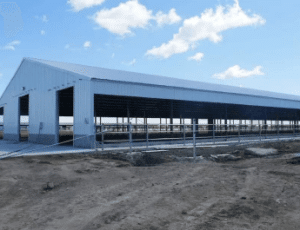
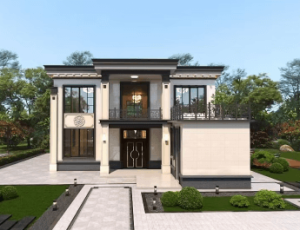
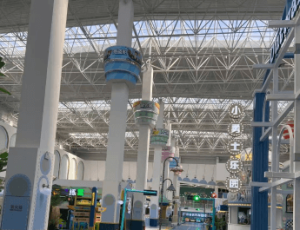
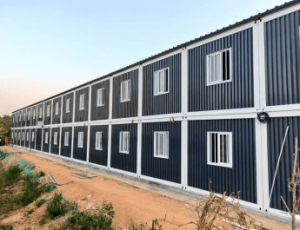
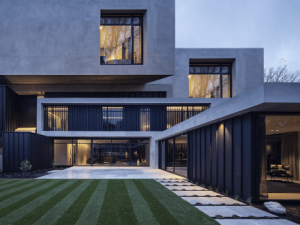

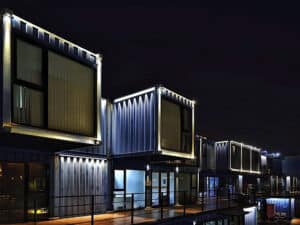
Rising worldwide needs for tough infrastructure highlight the key benefits of custom steel construction. For factory builders and house owners, a structure’s power to endure earthquakes is more than just a rule—it’s a basic safety need. Today’s engineering shifts away from stiff designs. It prefers the bend ability and toughness found in a custom steel structure. Using top-quality materials and exact building methods, these setups give safety levels that old brick or wood can’t reach. This overview checks the main ways custom structural steel guards people and property in shake-prone areas.
Engineering Seismic Resilience with Custom Structural Steel
The main cause custom structural steel works best in quake areas is its strong power-to-weight balance and bendiness. Concrete tends to snap sharply under side pushes, but steel can twist without splitting. This power uptake matters a lot in a quake. In a building with a custom steel structure, experts pick the right steel type, like Q235 or Q355. They do this to make sure the frame has the needed yield strength.
Adding certain parts boosts this toughness even more.
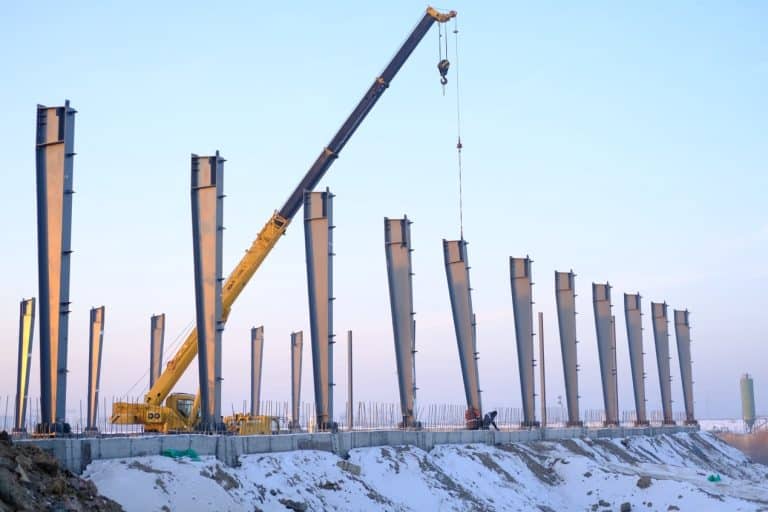
- Key parts such as H-beams and box columns form the main support setup.
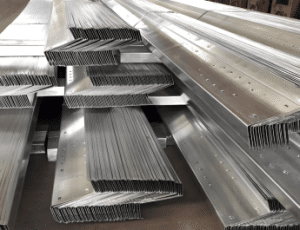
- Extra pieces, like C and Z-section purlins, steady the roof and side panels.
- Unique bolts and joint parts keep links solid during heavy shakes.
Designers who pick custom steel construction can build “flexible” spots in a structure. These spots are meant to move or bend. Thus, they spread out the shake energy. This happens before it leads to a full breakdown.
Superior Stability through Custom Steel Structure Design
One big plus of a custom steel structure over a basic ready-made building is fitting the plan to nearby ground features. Shake powers depend mostly on the building’s weight. So, steel’s light build cuts down the push forces on the base in a quake. This light setup not only raises safety but also lowers base costs. It makes for a smart choice in big jobs.
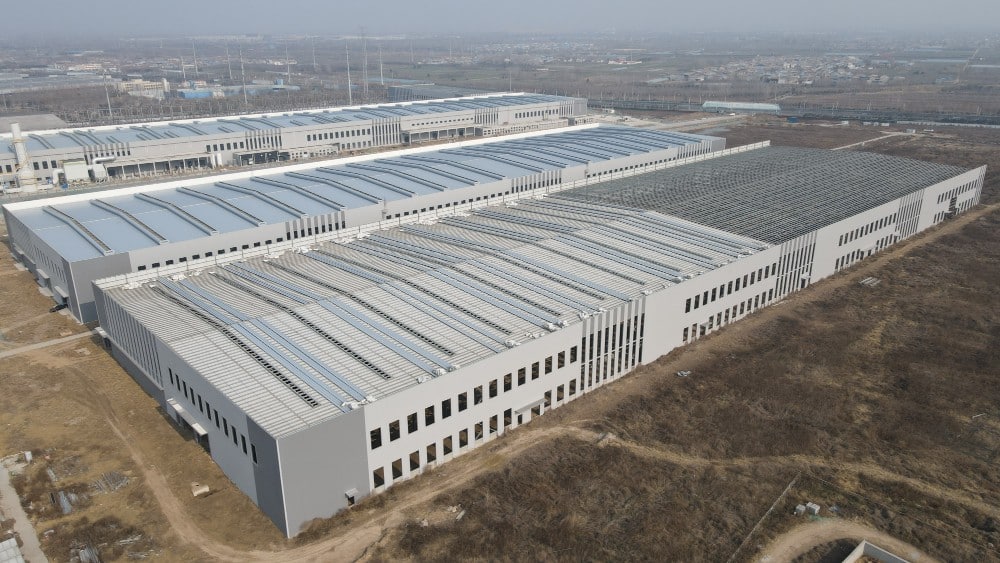
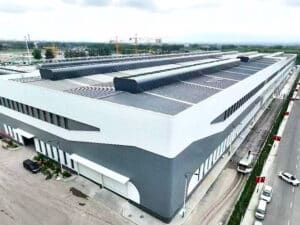
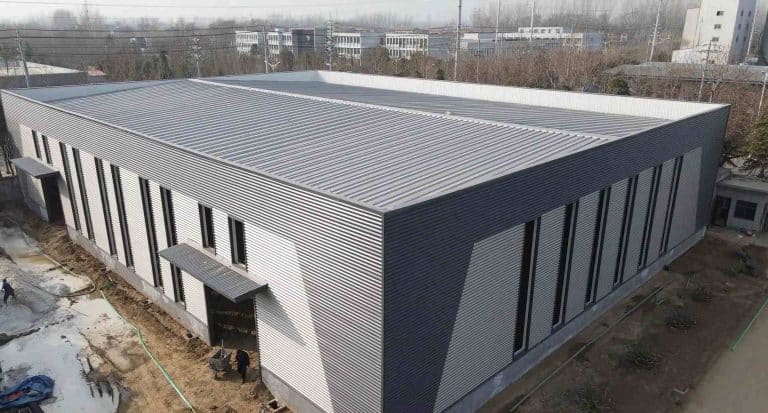
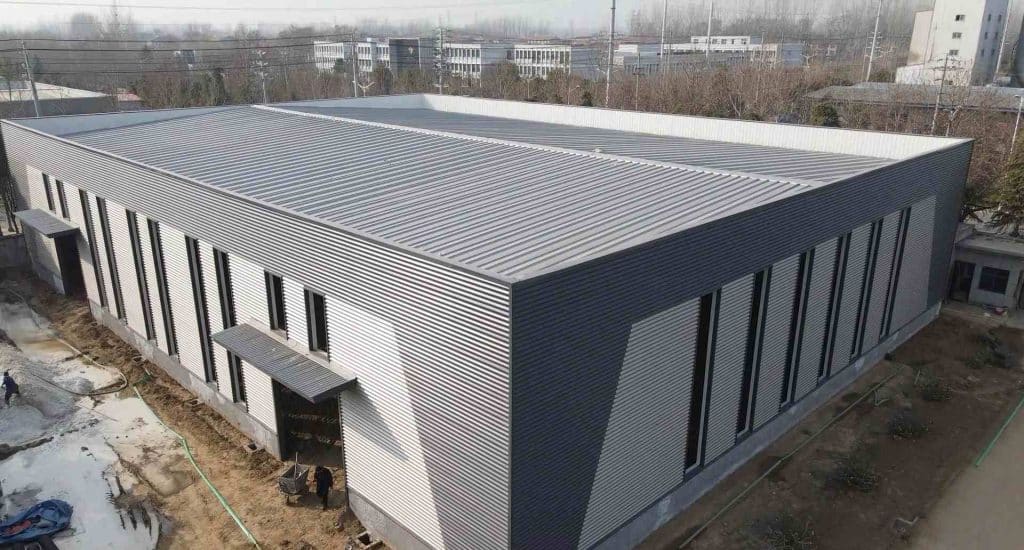
Plus, custom steel construction lets for bendy plans that handle wide reaches from 20 to 60 meters. It does this without too many inside posts. Such features help factory sites a lot. They need clear floor areas for tools and moving goods. These setups keep steady with good hold against wind and quakes. As a result, they offer a safe spot for workers and key items.
Technical Comparison of Custom Steel Construction Solutions
To grasp the range of custom structural steel uses, check the main specs that shape current factory and home buildings. The table below lists the key details for strong steel work.
| Technical Parameter | Specification Range / Material Standard |
| Primary Material | Steel Grade Q235 or Q355 |
| Span Capability | Customizable from 20m to 60m |
| Core Components | H-beams, Box Columns, C/Z Purlins |
| Surface Treatment | Anti-corrosion coating / Sandblasting |
| Safety Compliance | ISO 9001, ISO 14001, ISO 45001 |
| Construction Speed | Prefabricated for fast on-site installation |
| Resistance Metrics | Designed to local wind and seismic standards |
Precision Fabrication for Seismic Integrity
A custom structural steel’s trustworthiness relies a lot on how exact the manufacturing process is. In up-to-date plants, like those run by KERUI Metal, smart machine lines make sure each part hits tough global rules. For jobs needing a strong quake hold, there’s almost no room for mistakes in joining or slicing.
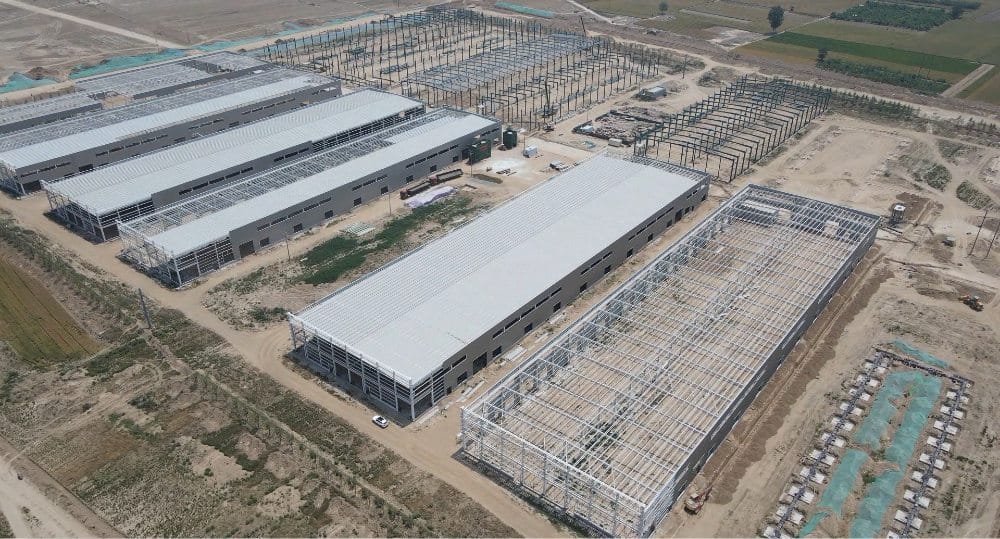
Main steps that aid frame safety cover these:
- CNC laser cutting: It cuts each steel sheet and bar to the true size. This helps with spot-on fitting when putting together.
- Automatic submerged arc welding: It gives deep, solid joins that matter for H-beams and box columns under load.
- Sandblasting and anti-corrosion coating: These guard the steel from weather wear. So, its frame traits stay good for years.
- Strict quality control: A full check system from start materials to end tests makes sure it fits job needs.
With full machine lines and tight quality checks, custom steel construction jobs can hit a yearly output of up to 60,000 tons. This lets them manage big factories and businesses well.
Real World Applications in High Risk Zones
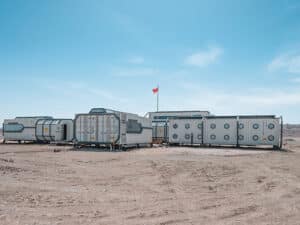
Book safety needs real proof. Custom structural steel has worked well in the world’s most active quake spots. For example, work in the Philippines and Brazil shows how to fit fixes to local weather and seismic dangers. There, a ready-made building means a quick setup that matches the first plans. It cuts down on-site mistakes.
These global jobs gain from on-site help and tech talks. So, the custom steel structure fits its exact setting. Be it for mine sites, power works, or box-style houses, steel’s flexibility is its top strength against disasters.
Conclusion
Gaining quake hold is a tricky build task. It calls for a full plan on design, stuff, and making. Picking custom steel construction lets builders use steel’s natural bend to make safe, money-smart setups. Tailoring each frame part—from H-beam thickness to join exactness—makes the end building right for its spot. In the end, putting money in a pro-planned custom steel structure is the surest path to lasting steadiness and protection from nature’s wild pushes.
FAQ
Q: Why is steel better than concrete for earthquake resistance?
A: Steel bends and twists without snapping, as it’s a flexible stuff. In a quake, a custom steel structure takes in and spreads the shaking power. Concrete, on the other hand, breaks easily under side pulls and often cracks or falls apart.
Q: Can custom steel construction be used for multi-story residential buildings?
A: Sure, folks often use custom structural steel for tall buildings like box homes and factory plants. Its solid power-to-weight mix supports steady high rises without huge bases.
Q: How does prefabrication improve the safety of a steel building?
A: Ready-made work happens in a watched plant with auto tools such as CNC laser cutters and weld machines. This brings better exactness and checks than field building, which is key for quake-safe parts.
Q: What maintenance is required for a custom steel structure?
A: Keep the frame strong by checking anti-corrosion layers often, testing bolts and joints for snugness, and making sure side and top sheets seal well from the weather.
Q: Is custom structural steel more expensive than standard steel kits?
A: The start design step might take more planning work, but custom steel construction cuts costs overall. It does this by smart material use, lighter base needs, and quicker build times with easy setup.