






Fixing condensation issues under a metal roof is a difficult task. People can rarely solve this problem by just adding one extra material after building. Factory and warehouse teams need to ask a more practical question. Will damp indoor air touch a surface that falls below its dew point?
Getting the answer to this question early helps protect your building. It stops a roof system from facing drip or rust troubles. This early action also keeps the insulation working well over many years. Moreover, it changes a general weather complaint into a clear design detail. Designers, makers, and building workers can then look at this exact detail together as a team.
Why a steel roof can collect moisture
Metal materials get cold quickly when the outside weather changes. Because of this fast drop, the bottom of a roof sheet might become the coldest spot inside the building. Warm and wet air often moves toward this freezing area. When they touch, small water drops form. This thing happens even if the roof has no rain leaks at all. This normal process shows the main reason for metal roof condensation.
Temperature is only one side of the problem
Surface temperature is a key factor. It decides if water vapor hits the dew point. But, indoor humidity levels control the real amount of vapor in the air. Some warehouses use daily washing steps. Other places might leave their big doors wide open. A few sites keep wet goods or run damp curing jobs. Seasonal climate shifts also have a big impact here. So, these buildings can face very different moisture loads. This is true even if the buildings use the exact same roof design.
Air leakage accelerates the risk
Unwanted air leaks often carry large amounts of moisture. They move water vapor much faster than the slow travel through solid building parts. Small gaps usually exist at sheet laps, pipe holes, and roof-to-wall joints. Open service holes also make direct travel paths. These empty spots pull damp indoor air straight toward a freezing sheet or purlin. As a result, this moving air totally skips the planned moisture control layers.
Building use sets the condensation strategy
Builders must pick a roof setup based on real indoor moisture conditions. People should never pick a system just for its good looks. A quiet dry storage place acts in a certain way. A busy production area with wet making steps works in a totally different way. At the same time, a climate-controlled building follows its own strict rules. All these different spaces need different material setups and clear fresh air plans.
| Project condition | Condensation question | Design-response focus |
| Low-moisture dry storage | Will part-time staff members introduce enough humidity to create issues? | Verify proper airtightness and establish clear drying routes. |
| Humid production or washdown | Where exactly might damp air contact a freezing layer? | Concentrate on continuous air and vapor barrier lines. |
| Cold or climate-controlled space | Which side generates the stronger vapor pressure? | Depend on a tailored moisture and thermal analysis for the specific project. |

Control layers work only when their details connect
A good condensation plan works best when workers see the roof as a whole connected system. Builders should never view it as just a simple top cover. KERUI Metal roof and wall systems can use standard steel sheets or insulated sandwich panels. Because of this mix, teams need to check the whole setup carefully. Workers must see how the outside sheet, the thermal insulation, and the inside liner fit together. Panel joints, steel purlins, and pipe holes must also work smoothly as one unit. This careful teamwork makes sure the building works right for its planned daily use.
A continuous air and vapor-control line
A color-coated steel sheet often acts as the main outside weather shield. But, this outer layer cannot fix inside moisture problems all by itself. The structural design team must carefully trace the air and vapor barriers. They need to follow these safe lines across roof ridges, building edges, and sheet end laps. Also, they must check wall openings and utility service pipes. All this checking work must happen before the making factory prints the final building drawings.
Insulation that keeps the cold surface out of reach
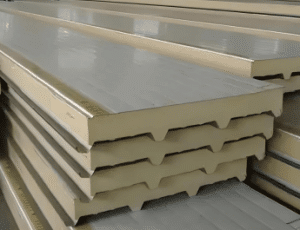
Good insulation drops the condensation risk by changing the whole temperature balance of the roof structure. Even so, its exact spot and solid flow matter just as much as its total thickness. A metal sandwich panel roof can make this hard layer planning much easier. This help happens when engineers design the panel joints, metal fasteners, and outer edges to back one shared moisture plan. Builders should never treat these parts as totally separate pieces.
Ventilation and drying are supporting controls
Steady fresh air flow can well lower indoor humidity levels. It also helps the whole roof system dry out safely. But, ventilation cannot fix every single open hole that leads into a freezing space. For this exact reason, a steel building roof needs a clear path for planned air movement. This clear drying route must stay very exact. It cannot rely on chance gaps, moved insulation materials, or poorly sealed sheet laps.
- Watch the indoor temperature and humidity levels. Do this tracking across different seasons and daily work tasks.
- Check the whole roof shape and exact insulation spots. Make sure that every material joins tightly at the steel purlins and building corners.
- Look at the material overlaps for the air and vapor barriers. Focus on plumbing pipes, roof ridges, outer edges, and roof-to-wall joints.
- Plan a clear physical drying or ventilation path. Also, decide which person will check this route at the real building site.
What to confirm before the roof package is released
The best design check happens during the early steps. Project bosses should do this check before passing the final sheet profiles, insulation links, and metal closure pieces. Planning teams must look at the expected indoor humidity and the normal local weather. They must also study the physical roof shape and the daily work schedule. Then, they need to match these gathered facts against the picked roof setup. A basic standard roof drawing never works as a proper moisture check.
This checking step is very important for corrugated metal roofs. Panel laps, foam closures, and cut pipe holes need many small design choices. The main goal is not to force one general roof style onto every single project. Instead, the real goal is giving every structural layer a clear and exact job. Designers must also make sure that these separate material jobs do not fight with each other.
Some building projects use Q235 or Q355 structural steel. For these exact buildings, local wind, heavy snow, and earthquake rules still guide the main frame design. Engineers must carefully link these structural load needs with the whole condensation plan. Steel purlins, metal fasteners, and utility holes physically change the outside shell. Also, these parts change how the whole building holds its physical weight.
Practical takeaway
Stopping bad water drops under a metal roof needs full system planning. Builders must actively block damp indoor air from touching freezing surfaces. Always keep the thermal and moisture barriers totally solid and unbroken. Finally, add a smart drying or ventilation way if the exact building design needs it.
A deep early check before starting the real setup helps every person involved. This step gives property owners and contractors a sound plan to fix hard roof details early. So, this forward-thinking way stops trapped moisture from turning into a costly future repair mess.
If you have any specific project needs, please feel free to reach out to us today.
FAQ
Does condensation mean the roof is leaking?
No, it does not. Condensation just happens when unseen water vapor touches a very cold spot. On the other hand, a real leak means actual liquid water coming right from the outside weather. A proper building check must clearly tell these two separate problems apart. Building bosses must make this key difference before picking any final repair way.
Can insulation alone stop metal roof condensation?
Thermal insulation can surely warm up the inside building surfaces. But, it cannot safely stop moisture problems all by itself. Damp air can still easily pass the insulation by flowing through small structural cracks. So, inspectors must check the solid barrier layers and the inside humidity levels at the same time.
Are vapor retarders placed the same way in every project?
No, they are not. Their exact spot relies heavily on the local climate and the daily inside tasks. The right spot also depends on the exact roof style and the planned drying route. Doing a custom check for your exact building gives the best possible results. Blindly copying a moisture design from a different project is a very risky choice.
Why do penetrations need extra attention?
Plumbing pipes and exhaust vents physically break the solid safe barriers. These needed items can easily make direct air paths going straight toward freezing materials. A picked worker must take full charge of properly sealing and checking these weak zones. This focused work makes sure the safe barrier lines stay strong and completely whole.
Is ventilation a substitute for airtight detailing?
No, it is not a valid trade. Good air flow can well lower indoor humidity and help natural drying. But, open air leaks can still push damp air right against a freezing roof surface. In the end, these two different actions do very different jobs inside the finished building system.