





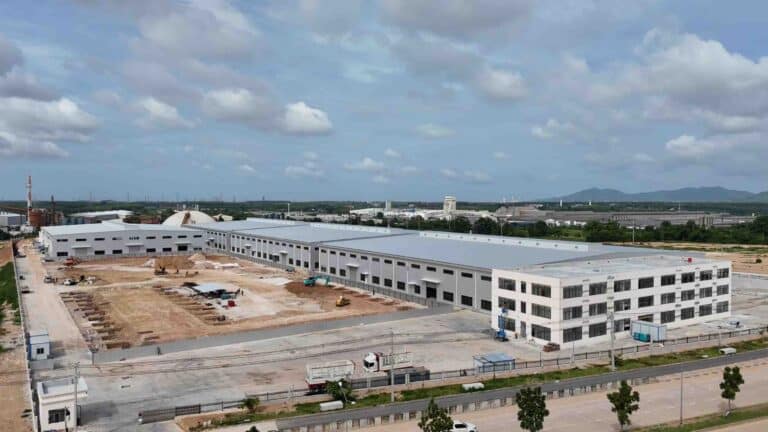
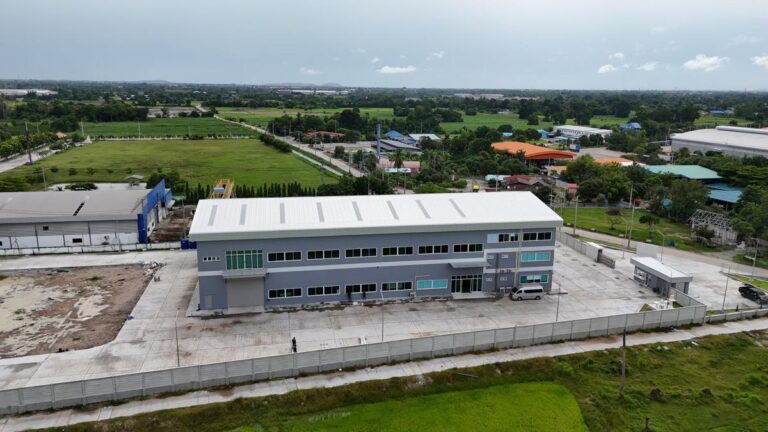
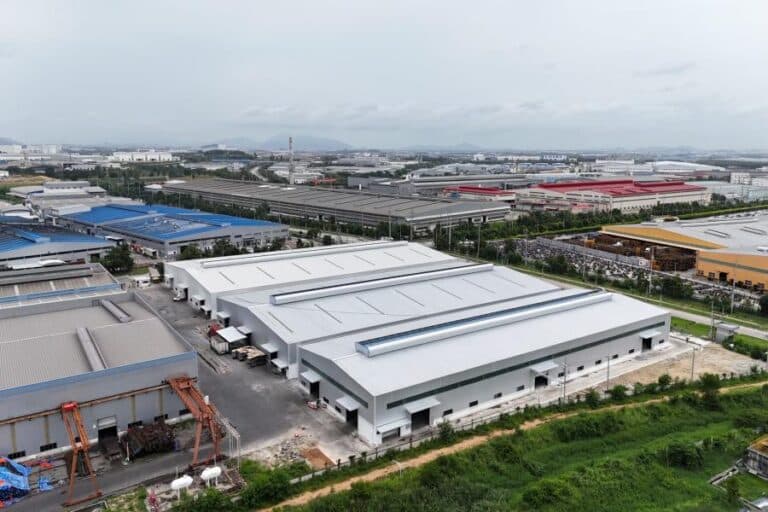
A delivery date does not tell a contractor whether the site is ready for steel erection. The frame may be available while access, foundation release or lifting arrangements remain unresolved. For owners and general contractors building a steel frame building, the practical task is to assign those interfaces before mobilization. Each prerequisite needs a responsible party and an agreed basis for release.
The erection scope needs named responsibilities
The contract should distinguish the supplier, erector, general contractor and responsible designers. One business may perform several roles, but the project still needs to identify who makes each decision. Avoid relying on a broad phrase such as installation included when the supporting site work has not been allocated.
The owner should ask who provides unloading, temporary storage, site access, lifting equipment and erection supervision. Confirm which items belong to the steel package and which are provided elsewhere. The purpose is to close the gaps between scopes, rather than duplicate each contractor’s full working procedure.
Supplier capability can support coordination when the agreed boundaries are clear. KERUI Metal specializes in steel structure design, manufacturing and installation and provides customized industrial building solutions. In discussions with a steel structure contractor, ask how the contracted responsibilities connect to the general contractor’s site obligations.
Site readiness is a release decision
Foundations and anchors
Foundation readiness should be established through the applicable project requirements and local rules. A calendar date or a statement that concrete has been poured is not an adequate substitute for the required release. Confirm who obtains the relevant evidence, who reviews it and who communicates acceptance to the erector.
United States projects have a specific regulatory example. OSHA 1926.752 requires written notification concerning the strength of supporting concrete before steel erection begins, together with notification concerning applicable anchor-bolt repairs or modifications. This is a US requirement, not a universal procedure for every market; the project’s jurisdiction determines the governing obligations.
Access and working areas
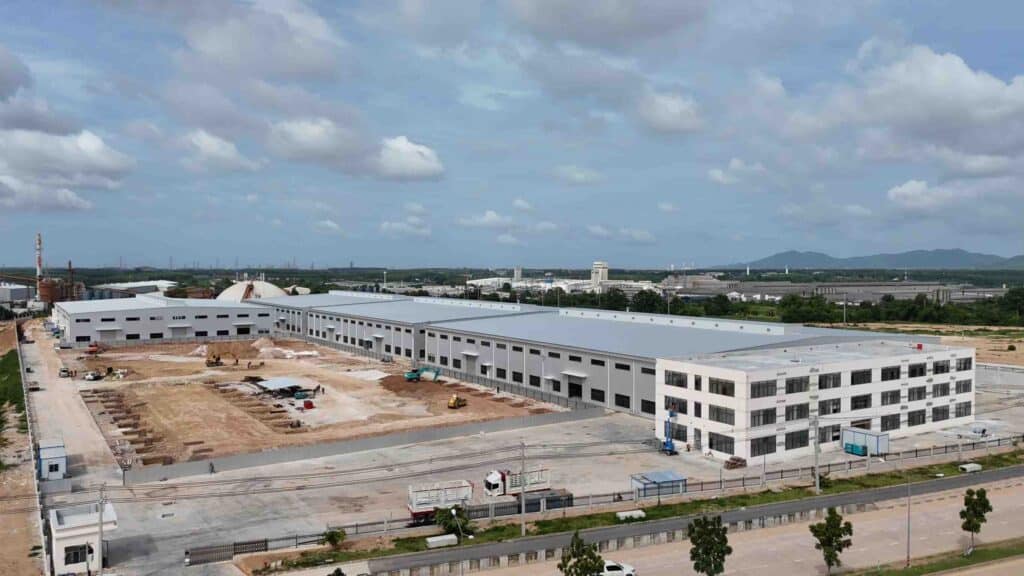
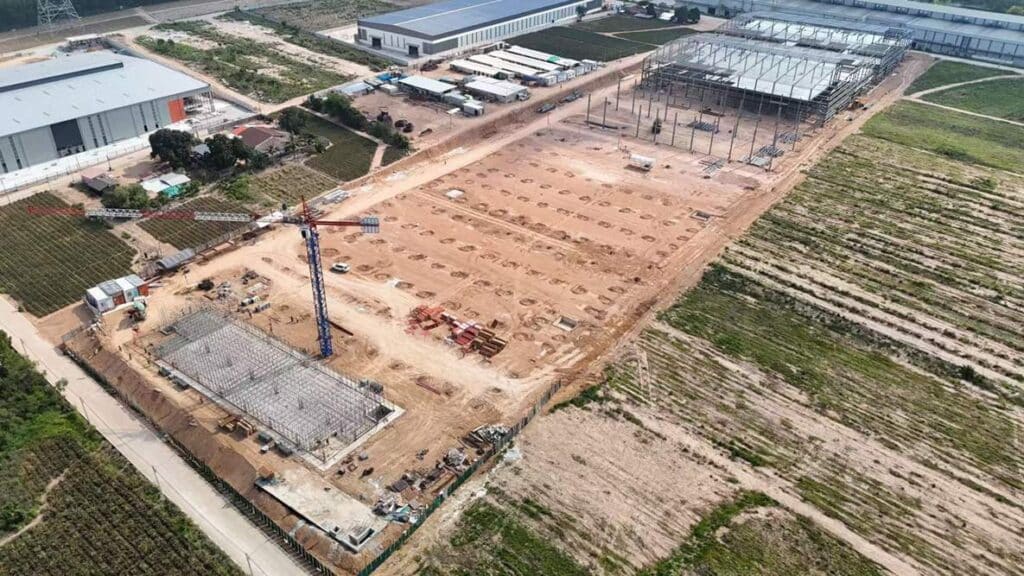
Access should be reviewed for the planned deliveries and equipment. Identify the route, unloading location and working area on the current site plan. The controlling contractor’s US duties under OSHA 1926.752 include suitable site access and a firm, graded, drained area for storage and safe equipment operation.
Conditions need a final check near mobilization. A route agreed during planning may no longer be available after another trade occupies it. Assign responsibility for confirming that the agreed arrangements remain usable, and define how a changed site condition is reported before the delivery proceeds.
Erection planning belongs with competent project specialists
Experienced structural steelwork contractors still need project-specific information. The permanent building drawings and the erection-stage arrangements answer related but different questions. Ask how the erection team will obtain the information and approvals it needs before work begins.
Lifting preparation starts with drawings and a defined scope
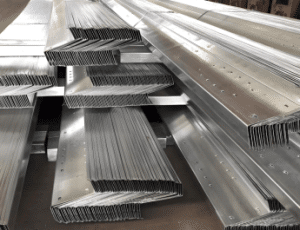
KERUI Metal provides custom steel structure fabrication based on client drawings or project requirements, and its listed main steel components include H-beams and box columns. For lifting preparation, use the project drawings to confirm which members are included in the erection package and identify the component information the erection team still needs. Assign a contact for resolving questions between design, fabrication and installation.
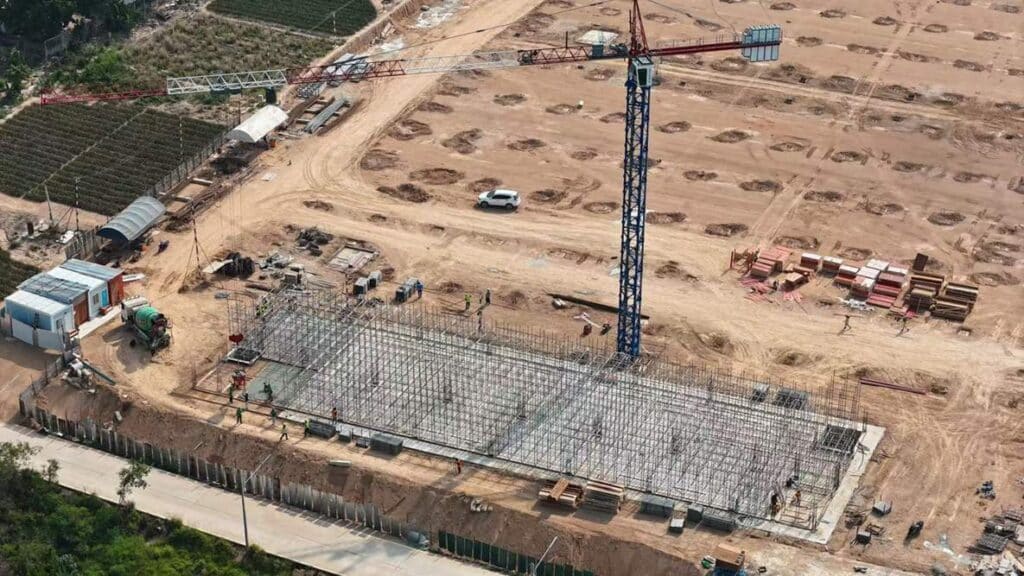
At the coordination meeting, ask who will develop the lifting arrangements, provide the lifting equipment and supervise the work. Connect those responsibilities to the unloading location, temporary storage and site access already agreed for the project. Record who must respond if the delivered components or available working area differ from the agreed information. The lifting arrangements remain a project-specific task for the appointed specialists.
The coordination meeting should resolve the following interfaces:
- Who confirms that foundations and site access are released.
- Who plans the erection sequence and temporary-stability arrangements.
- Who controls overlapping trades around the working area.
- Who approves proposed changes to the structural details.
The outcome should identify open actions as well as completed ones. A short list of unresolved prerequisites is more useful than a meeting record that implies readiness because every contractor attended. Keep the mobilization decision separate from the commercial desire to meet a delivery date.
A responsibility table makes the handover review practical
The following table is a planning aid for allocating the work. It does not override local law, design appointments or contract terms. Confirm the actual party responsible for each item and the evidence needed before the relevant activity is released.
| Interface | Responsibility to allocate | Evidence to agree |
| Foundation readiness | Required review and release | Applicable strength and survey information |
| Delivery access | Route and working-area control | Current site arrangement and readiness check |
| Erection method | Planning and temporary stability | Project-specific specialist arrangements |
| Design changes | Technical approval authority | Controlled response and revised information |
| Trade overlap | Coordination of shared work areas | Agreed access and activity sequence |
This handover is particularly important in steel building construction where separate contracts cover the frame, foundations and erection. Confirm the same interfaces when one contractor supplies several services. A combined contract may simplify communication, but its actual scope still needs to be clear.
Site discrepancies need an agreed route to resolution
A mismatch at site should reach the responsible reviewer before anyone changes a structural detail. Define how the team identifies the affected location, records the condition and obtains a technical response. The process should make it clear who can authorize the proposed resolution.
Controlled information helps keep that response usable. Identify the drawing revision or instruction that the erection team should follow after approval. Check that superseded information is removed from the immediate work process. The owner should seek a clear communication route, not prescribe an improvised correction.
The same approach applies when another trade changes the planned access or work sequence. Ask the responsible parties to reassess the affected arrangements before proceeding. Keep the issue attached to the relevant task and location so the response does not become a vague site-wide assurance.
Mobilization follows a clear readiness decision
Steel structure construction needs coordinated responsibilities before the frame reaches site. Agree who releases the foundations, maintains access, plans erection and approves changes. Then use the current evidence to decide whether mobilization can proceed. This keeps the owner focused on a manageable project decision while qualified specialists control the erection work.
Planning a steel structure project? KERUI Metal provides steel structure design, manufacturing and installation services for industrial building projects. Please contact us to discuss your project requirements, drawings and delivery schedule. We are ready to support your project from fabrication to on-site installation.
FAQ
Does supplying the steel include every site activity?
Only the agreed contract defines the included work. Confirm unloading, storage, lifting equipment, erection and supporting site activities explicitly rather than assuming they form one package.
Can erection begin as soon as the frame arrives?
Arrival alone does not establish readiness. The relevant foundation release, access arrangements and erection planning must be resolved under the project’s requirements before work proceeds.
Who plans temporary stability during erection?
Allocate that function to the competent specialists responsible under the project arrangements and applicable rules. The owner should confirm the appointment and scope rather than design the temporary measures.
What happens if an anchor or connection does not match?
Record the discrepancy and obtain a response through the agreed technical approval route. Do not treat an unapproved site modification as a routine way to maintain the programme.
Are US steel erection rules applicable everywhere?
No. OSHA requirements apply within their jurisdiction. International projects must identify their own governing obligations and competent roles before finalizing the site-readiness process.