
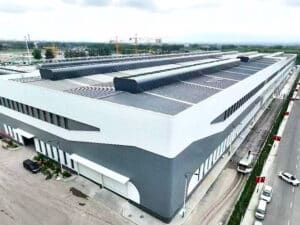
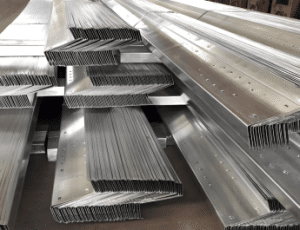
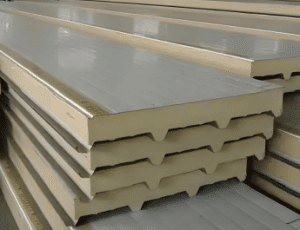
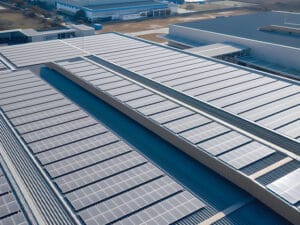
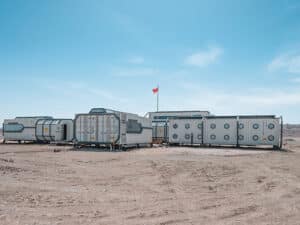
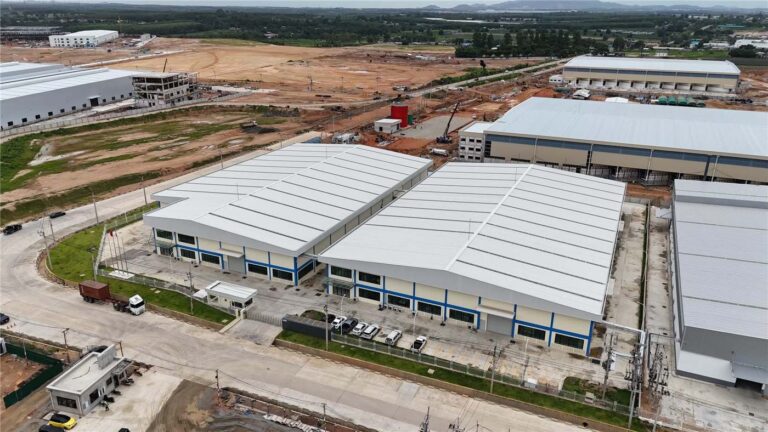
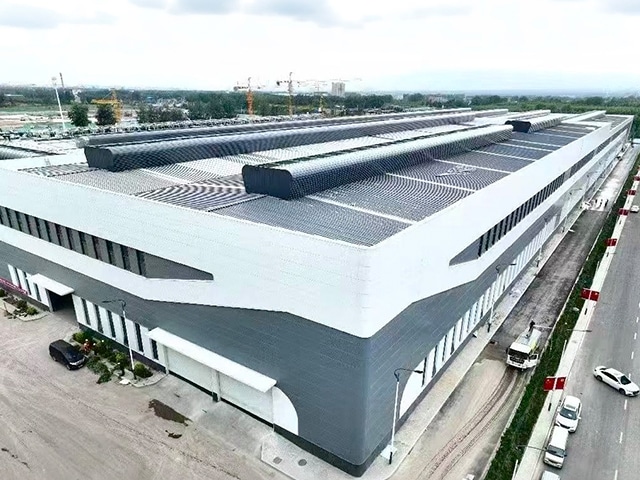
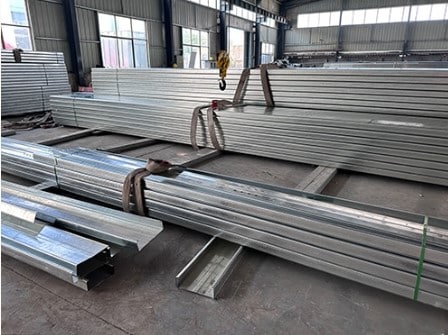
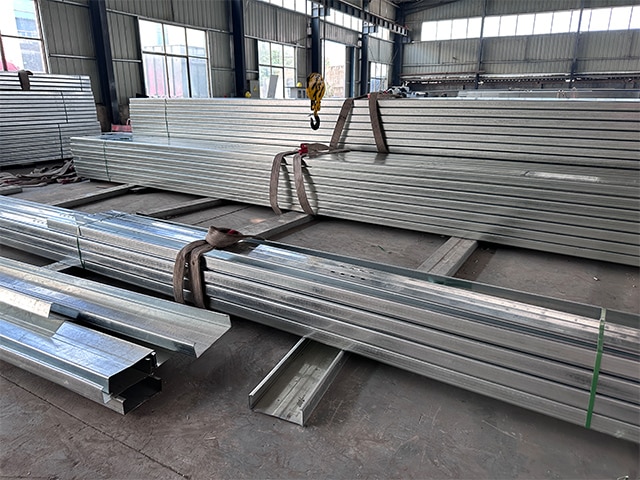
The worldwide building sector is experiencing a major change. It is shifting from carbon-heavy standard brickwork to effective, off-site modular approaches. At the heart of this change lies the quick progress in light gauge steel construction. This method focuses on accurate building strength, eco-friendly materials, and fast setup. Developers now use cold-formed, strong steel parts to create designs that were once too expensive. This shift is more than a passing fad. It represents a basic overhaul of building practices. The drive comes from the demand for tough infrastructure and the broad use of the light steel structure as a key element in today’s world.
What Makes Light Gauge Steel Structure the Preferred Choice for Modern Developers?
The rise of the light gauge steel structure in business-to-business and business-to-consumer areas stems from its outstanding strength compared to its weight. Current engineering employs reliable steel types, mainly Q235 and Q355. These create frames that weigh much less than concrete or wood. Yet, they keep better resistance to breaking. This light design leads to smaller needs for bases and lower costs for preparing the site.
More than just weight, the steady size of steel gives a degree of dependability that natural materials cannot equal. A light steel structure avoids twisting, contracting, or decaying as time passes. As a result, the building’s outer layer stays sealed against air and saves energy throughout its full use period. Such steadiness lets designers plan wide-reaching structures. These often span from 20m to 60m. They do so without the blocking inner supports needed in old ways.
- Strong Weight Support: Tough steel types like Q355 deliver the building firmness required for detailed factory and home setups.
- Exact Building: Cold-formed steel parts are made to precise measures. This guarantees a smooth joining at the location.
- Long-Lasting Quality: Protection against pests like termites and mold growth suits it for different weather conditions.
- Better Inside Area Use: Wide reaches allow adaptable room layouts and smart space use for storage buildings and plants.
How Does Light Gauge Steel Construction Accelerate Project Timelines?
Speed is the main foundation of current light gauge steel construction. The method depends on side-by-side work. Here, building parts are made in a managed factory setting at the same time as digging and base pouring on site. This combined making style can cut the whole building period by as much as 50% over usual on-site built approaches.
Today’s making plants, like the 70,000-square-meter facility run by KERUI Metal, use modern automatic lines to make sure every C-section, Z-section, and H-beam is set for quick putting together. Tools like CNC laser cutting and auto welding systems confirm that parts arrive with an exact fit for bolts. Thus, they remove the need for risky and slow changes done on-site.
Why Are ESG and Sustainability Driving the Adoption of Light Steel Structure?
With worldwide rules getting stricter on carbon reports and eco effects, the light steel structure stands out as a vital aid for ESG rules. Steel ranks as the top recycled item globally. Plus, a light gauge steel structure can be fully reused at the end of its use cycle. This greatly cuts the amount of building trash going to dumps.
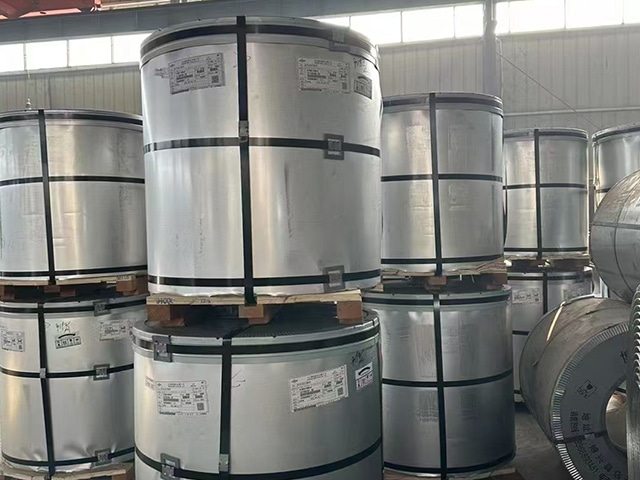
The making process has turned into an example of good use. New CNC handling permits almost no waste making. It does this by fitting parts closely into basic steel sheets. Also, the link between light gauge steel construction and new covering systems, like strong sandwich panels, builds outer layers with better heat blocking. This cuts the ongoing energy use of the place. It fits with world green building rules such as LEED and BREEAM.
- Strong Reusability: It lessens the use of natural supplies and backs loop economy efforts.
- Small On-Site Effect: Light parts need fewer big truck trips and less heavy base tasks.
- Eco Approvals: Top makers now work under ISO 14001 setups to secure green making loops.
- Supply Good Use: Off-site making makes sure material use is best through computer plans and auto cutting.
What Technical Innovations Are Shaping the Future of Light Gauge Steel Construction?
The coming days of light gauge steel construction take shape in auto factories with 3D models and robots putting lines. Digital copies, which are true virtual matches of the real building, let experts test force pressures and weather effects before cutting any steel. This setup makes sure that special steel structure jobs, from mining in Brazil to power areas in Uzbekistan, fit their exact place needs.
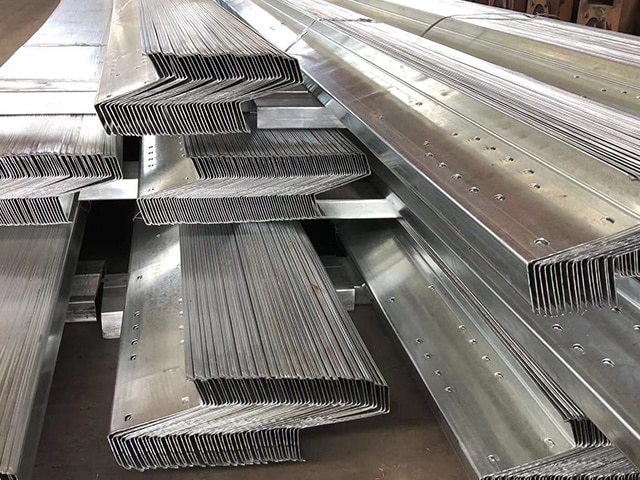
Outer layer treatment tech has made big steps forward. New grit blasting and special rust-proof layers are now put on in multi-step auto lines. This means even tricky custom metal buildings can handle harsh sea air or wet hot zones. This attention to small, making points is what sets leading world makers apart from usual providers.
How Does International Experience Enhance the Reliability of Steel Prefabrication?
Worldwide trust does not happen by chance. It comes from the strict following of global quality control systems. For a light steel structure to count as top-level, it must follow ISO 9001, ISO 14001, and ISO 45001 rules. These focus on quality, eco-safety, and worker health.
Makers with broad global job backgrounds, covering places like Thailand, the Philippines, and South America, add lots of practical info to the planning stage. This background helps deliver custom fixes that consider local rules, special ground types, and exact weather issues. By keeping local branches and skilled tech help groups, these companies offer a smooth link between hard engineering plans and complete, well-working structures.
- Many-Country Rule Following: Changing plans to fit varied area standards in Southeast Asia, Central Asia, and more.
- Strict Quality Checks: Using several-step reviews, including basic material checks and weld quality tests.
- Custom Weather Building: Planning for exact wind and shake forces using local past info.
Conclusion
The growth of light gauge steel construction signals a key moment for the global building field. By using the built-in benefits of the light steel structure, such as its accuracy, eco-friendliness, and toughness, builders can now beat the limits of old building ways. As auto-making skills keep improving and ESG needs get tougher, the proportion of quality steel frames will grow further. Putting money into these new off-site methods means putting money into the lasting quality, safety, and good use of our newly built spaces.
FAQ
Q: Why is light gauge steel construction considered more sustainable than traditional methods?
A: Light-gauge steel construction makes use of a material that can be recycled easily. It also features a factory-based production process that almost gets rid of waste on the site. On top of that, the light weight of a light steel structure lowers the energy and supplies needed for base work.
Q: Can a light gauge steel structure withstand extreme weather events like hurricanes or earthquakes?
A: Yes, it can. Expert setups are built to match certain local wind strength rules and global shake safety standards. Steel’s natural bendability helps it take in and spread out energy during shake events. This works better than stiff items like brickwork.
Q: What is the typical lifespan of a building utilizing light gauge steel structure technology?
A: With good upkeep using rust-proof layers and regular checks on fasteners, these buildings provide a lengthy use period of many years. Steel avoids rotting or bending. Therefore, the building’s strength stays solid as years go by.
Q: Is customization possible for complex industrial projects?
A: Yes, it is fully possible. Top makers offer adaptable changes based on customer plans or job needs. Such changes cover changeable reaches from 20m to 60m and heights suited for mining, power, and transport uses.
Q: How does prefabrication affect the total cost of a project?
A: Light-gauge steel construction enables quick setup, even if basic material prices vary. This quick pace cuts site worker costs a lot. It also shortens the full job time. Besides, the exactness of factory parts stops costly site mistakes and fixes.