
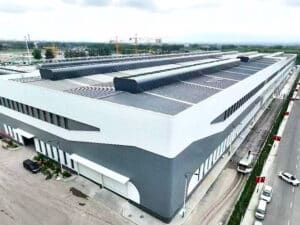
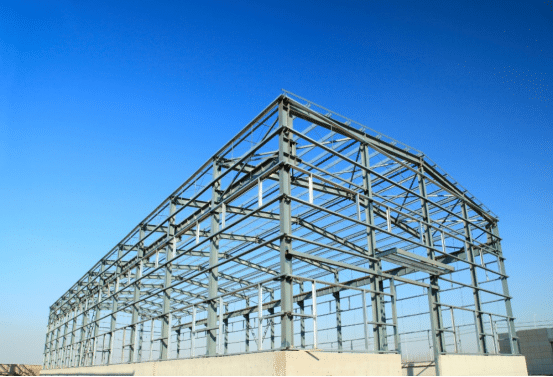
In today’s fast-changing world of global infrastructure, people need strong and practical building options more than ever. Urban areas keep growing. Industrial needs get more complicated. A skilled steel construction manufacturer plays a key role in making sure each project hits top levels of safety and strength. Today’s modern steel construction goes beyond simple beam assembly. It forms an advanced engineering field. This field combines cutting-edge materials, accurate making, and thorough checks. The goal is to build structures that last through time and harsh weather.
What Defines the Reliability of Modern Steel Construction?
Any top-quality industrial building starts with smart material choices and the basic ideas guiding their use. For a steel construction manufacturer, dependability starts with picking approved steel types. These types give the right pulling strength and bendability to manage various weights. Using materials like Q235 and Q355 ensures the main frame has the needed strength for tough industrial tasks.
Modern steel construction uses these strong materials to follow global safety rules. This includes plans for resisting wind and earthquakes. Designers create buildings that fit local weather patterns. They handle strong winds in beach areas or shaky ground in hill regions. Such work gives protection that older building ways often can’t provide.
To grasp the range of these options better, this table breaks down the main types and their key details:
| Category | Primary Materials | Span Capability | Typical Applications |
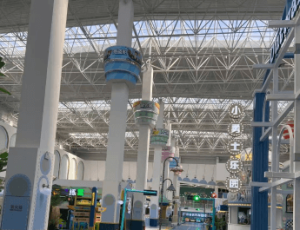
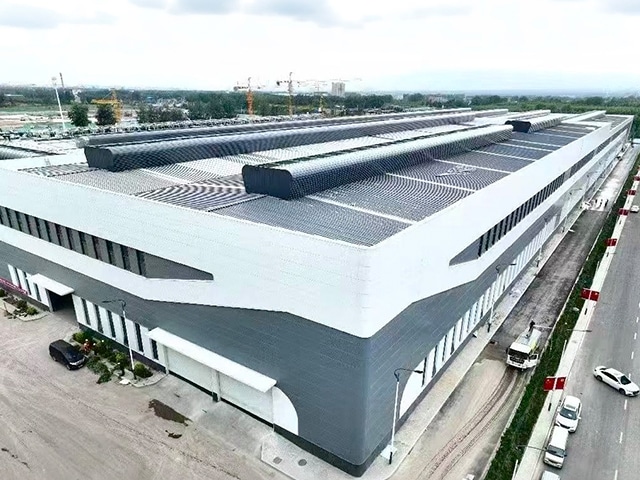
| Industrial Steel Structure | Q235 / Q355 Steel | 20m – 60m (Customizable) | Manufacturing plants, heavy workshops |
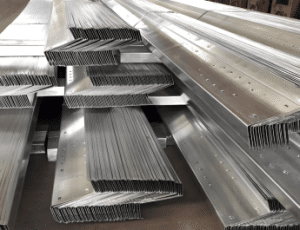
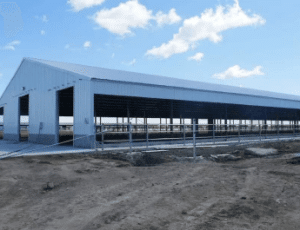
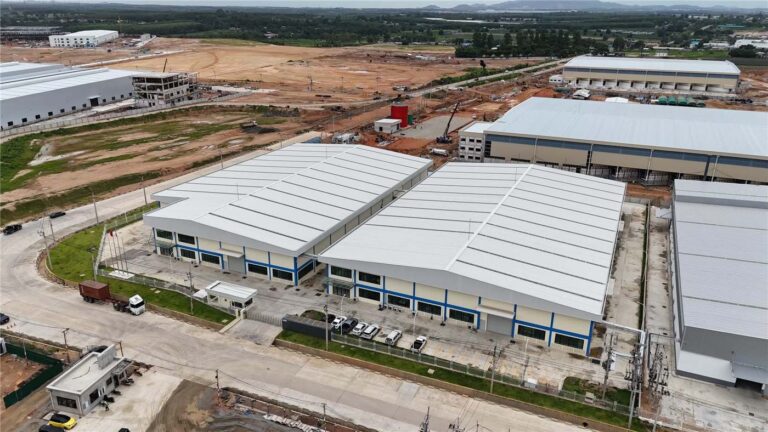
| Warehouse Building | H-beams, C/Z Purlins | Flexible wide-span | Logistics centers, cold storage |
| Custom Steel Structures | High-strength alloys | Project-specific | Mining, energy, support frames |
How Does Advanced Steel Structure Fabrication Guarantee Precision?
Moving from a plan to a real building calls for exact work that only skilled steel structure fabrication can deliver. This method includes several detailed steps. In these steps, hands-on skills mix with machine help. The aim is to cut out mistakes from people and keep steady results for many parts.
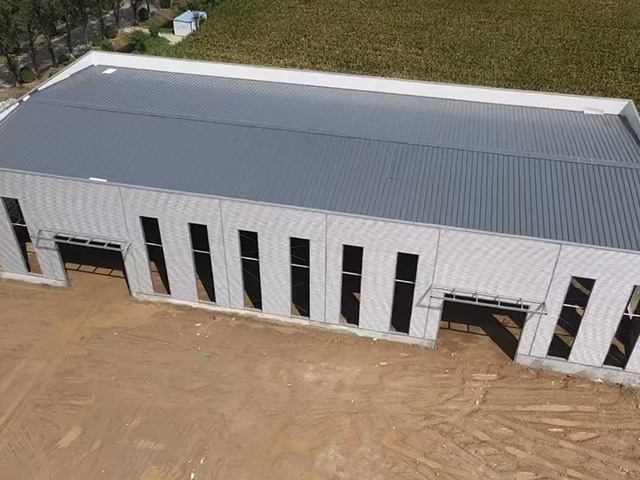
- The work begins with CNC laser cutting. This shapes steel sheets precisely based on computer designs. As a result, each H-beam and box column matches up well during site setup.
- Automatic submerged arc welding creates deep, solid joins. These joints prove much tougher and even tougher than those from hand welding.
- Putting parts together and fixing them happens in a careful way. This step corrects small bends from welding heat. It keeps the size accuracy of the full frame.
- Surface treatment acts as the last shield against weather damage. It uses sandblasting and special rust-proof layers. These steps stop rust and lengthen the building’s useful life.
KERUI Metal runs up-to-date plants spanning about 70,000 square meters. They use these machine lines to reach a yearly output of up to 60,000 tons. This setup handles big projects with close care for every part.
Why is a Strict Quality Control System Essential for Safety?
Safety in modern steel construction comes from careful planning, not luck. It results from a steady quality check process that watches each step of steel structure fabrication. A steel construction manufacturer needs to stick to world standards. This shows their dedication to top work.
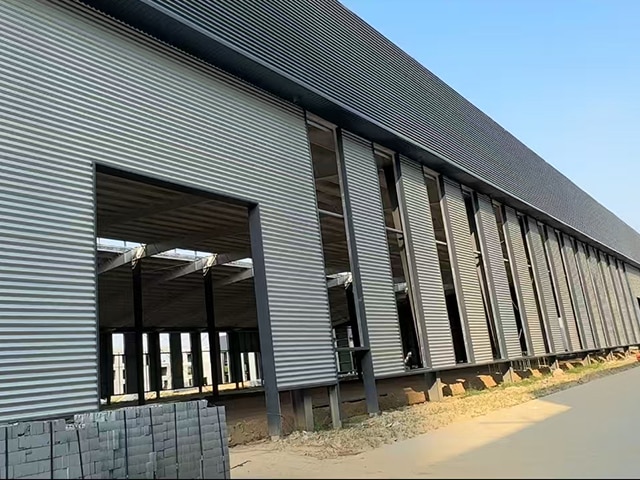
- Following ISO 9001, ISO 14001, and ISO 45001 sets up the making space for good quality. It also supports green practices and safe work for employees.
- Checking raw materials means testing steel lots closely. This confirms they have the right chemical makeup and physical traits as listed in the project deal.
- During the making, quality checks are made, and the welds are tested. They spot hidden issues that could weaken the build under pressure.
- At the end, size checks make sure all the ready-made parts fit the first plans. This covers the main steel parts, support beams, and roof setups.
This organized method ensures that every part sent from the plant works for quick setup. It cuts risks from changes or waits at the site.
How Global Experience Enhances Structural Integrity
Work in various world markets shows a maker’s skill in giving safe and solid builds. Dealing with jobs in different places means knowing varied rules and weather issues well.
- In places like Thailand and the Philippines in Southeast Asia, steel structure plans have worked well. They handle the area’s weather challenges.
- In Central Asia spots such as Mongolia and Uzbekistan, jobs needed special planning. This plan fits the local weather and job needs.
- Efforts in South America, like in Brazil, show skill in making custom steel structure options. These fit the area’s rules.
Keeping local branches and offering on-site help builds strong ties. This includes tech talks and plan tweaks. It makes sure the build’s strength holds from start to end.
What are the Practical Advantages of Prefabricated Steel Solutions?
The move to modern steel construction comes from real gains that pre-made parts bring to factory owners. Safety stands as the main goal. Yet these builds offer big money and daily use benefits too.
- Wide-open designs use space well. They skip extra inside posts. This lets work flow freely in plants and storage areas.
- Steel weighs less than regular concrete. This cuts the weight on the base. It saves money on land prep and base work.
- Quick setup marks steel structure fabrication. Ready parts join fast. This shortens the build time. It lets people move in sooner.
- Easy changes mean buildings fit exact needs. This works for basic storage or tricky factory supports.
Conclusion
Modern steel construction has reshaped industrial growth in basic ways. Mixing detailed steel structure fabrication with a strong quality focus gives more than a simple structure. A steel construction manufacturer delivers a strong tool built for safety, long life, and smooth work. Facing world rule challenges or tweaking designs for low-cost making shows the skill of an experienced maker. That skill decides project success.
Looking ahead to world infrastructure growth, KERUI Metal sticks to fresh ideas and solid quality. Using broad world work and strong making tools, we keep giving custom steel structure options. These help industries around the globe build trust and protection.
FAQ
Q: Why should I choose KERUI Metal as my steel construction manufacturer?
A: Picking KERUI Metal means teaming up with a company that handles planning, making, and support all in one place. The firm brings more than 20 years of hands-on knowledge. It runs a 70,000 square meter fresh plant. KERUI Metal offers reliable modern steel construction choices that match world ISO rules. Your job gets expert tech handling and lessons from global builds.
Q: How does modern steel construction improve the ROI of my industrial project?
A: Modern steel construction boosts returns by cutting build times a lot. It does this with pre-made steel structure fabrication. Light builds lower base costs. Big spans open up more floor area for use. The strong build and smart cost plans cut ongoing costs. Operations start quicker. Total ownership expenses drop over time.
Q: What quality standards are followed during steel structure fabrication?
A: Each part of steel structure fabrication sticks to tight world-class quality systems. These include ISO 9001, ISO 14001, and ISO 45001. A step-by-step check covers material reviews, weld tests, and end size confirmations. This makes every industrial steel building firm accurate and trustworthy.
Q: Can a steel construction manufacturer customize buildings for extreme weather?
A: Yes, a skilled steel construction manufacturer focuses on adjusting builds to fit local weather patterns. Modern steel construction jobs meet set wind and seismic rules. They ensure protection in tough spots, from windy shores to quake areas in Southeast Asia and South America.
Q: What are the main components produced during steel structure fabrication?
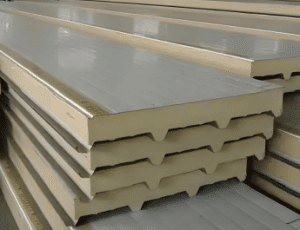
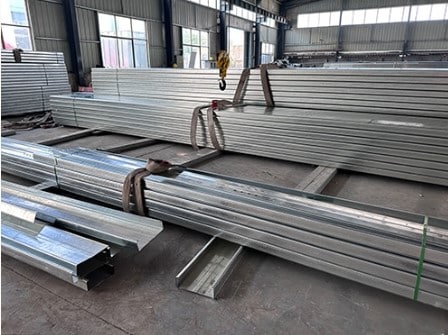
A: The steel structure fabrication work creates all vital building pieces. These include the core steel frame with H-beams and box columns. It also covers extra parts like C/Z purlins. Roof and wall setups use sandwich panels or metal sheets. The method makes all the needed bolts and joint pieces, too. This guarantees smooth and safe joining at the site.