
Introduction
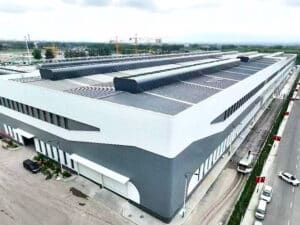
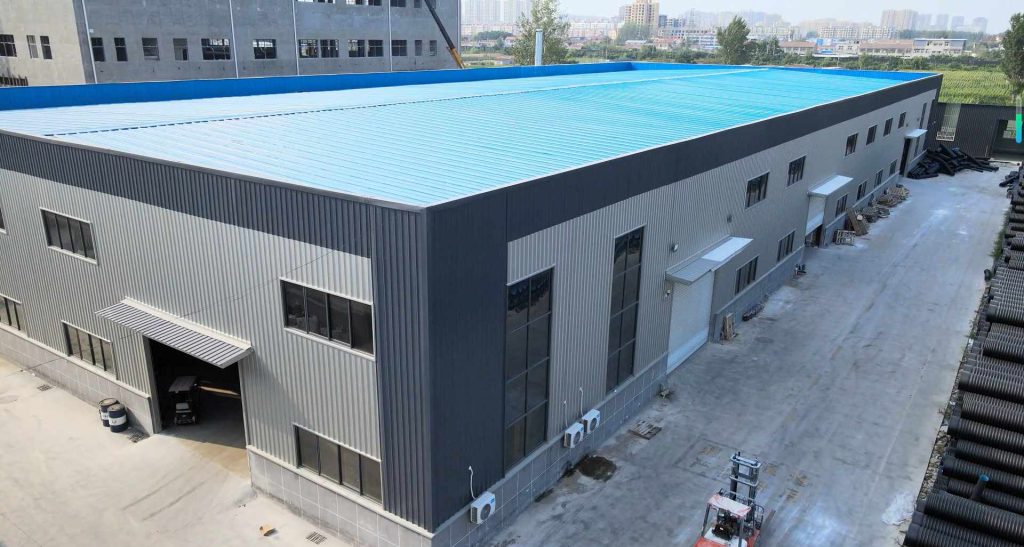
Global needs for industrial storage facilities are rising fast. This growth happens alongside bigger manufacturing sectors and more cross-border trade. Because of this, the Pre-engineered warehouse setup has become a top choice for builders. It relies on smart structural logic and a very careful factory-making process. Traditional building styles often vary, but these steel systems use integrated planning instead. Every part is mapped out before any cutting starts. This method has drawn more interest toward steel frame warehouse construction. It is perfect for projects that need steady performance and lasting strength in tough industrial settings.
What defines a warehouse building system in modern industrial engineering?
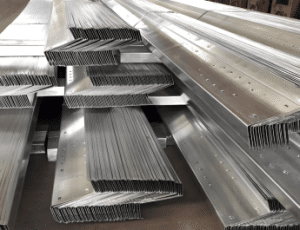
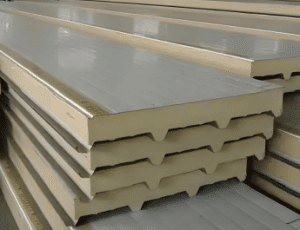
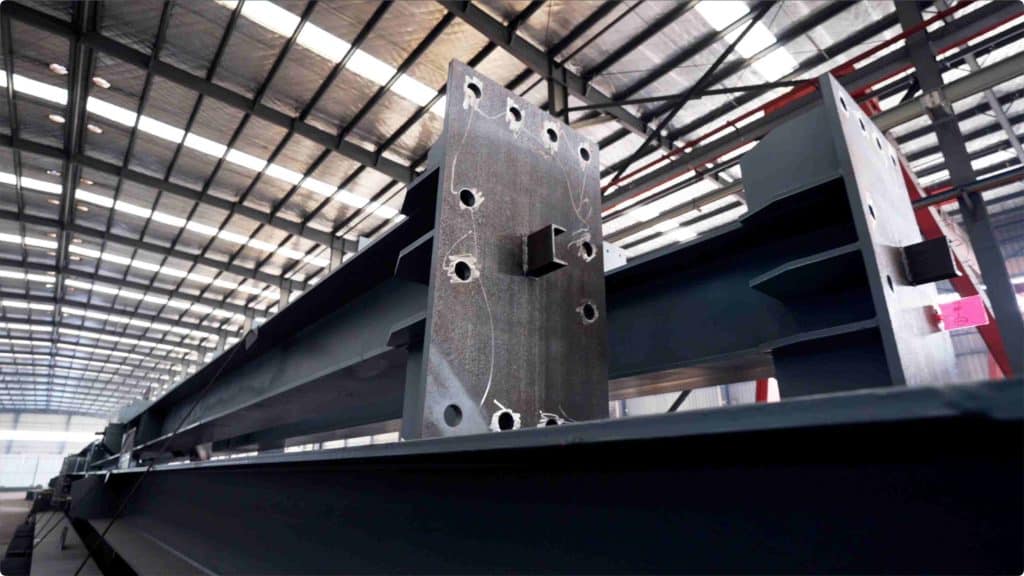
A warehouse building system is basically a complete structural kit. It combines main steel parts, extra support pieces, and outer wall layers. Together, they act as one strong unit to carry heavy loads. This setup usually features H-section columns, roof beams, and wall girts. Workers put them together based on strict technical plans.
The main idea here is to keep things uniform. By planning out how weight moves through the joints, engineers make sure stress is spread out evenly. This directly helps steel warehouse durability. It is vital for buildings facing strong winds, changing heat, or high moisture levels.
Newer systems also offer a lot of room for custom shapes. You can have clear spans from 20 to 60 meters wide. This flexibility does not hurt the strength of the building at all. Such features make the warehouse building system a great fit for storing raw materials or running heavy-duty logistics hubs.
Why are Pre-engineered warehouse solutions becoming widely adopted?
More people are choosing Pre-engineered warehouse designs because they offer certainty. You get better control over materials compared to building everything on-site. In old-fashioned construction, manual welding or material mix-ups can cause issues. In contrast, these modern systems are built inside a controlled factory.
This neat process has a big effect on the steel structure’s lifespan. When welding is uniform and cutting is sharp, you see fewer mistakes. These mistakes often plague traditional job sites. Since the work is so precise, the risk of the building bending or warping over time stays very low.
Smart use of metal is another big plus. Engineers calculate every beam to match the exact load it must carry. This cuts down on wasted steel while keeping the building safe. Because of these benefits, metal warehouse buildings are now a common sight in export zones and large manufacturing parks.
How does steel frame warehouse construction improve structural reliability?
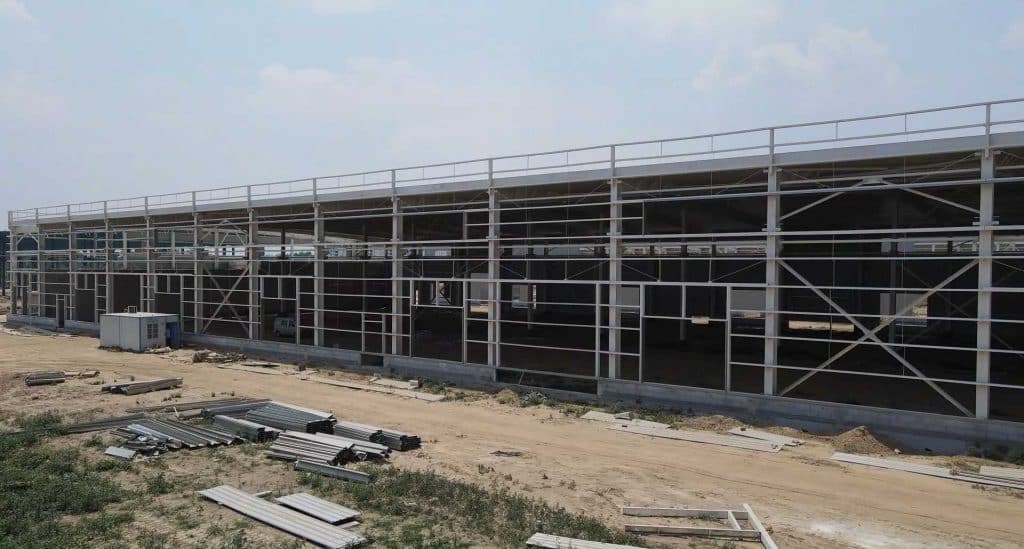
The core of steel frame warehouse construction is a tough skeleton. It is made from steel columns and beams that lock together tightly. Factories use CNC machines and robots to make these parts. This ensures every piece fits perfectly and handles the right amount of weight.
The way these frames work is by sharing the load. Instead of one spot taking all the pressure, the weight spreads across many points. This stops the metal from bending under heavy stress. Also, using bolts for connections helps the structure stay flexible yet firm, which keeps everything steady.
Protecting against the weather is also key. These structures use special bracing to fight off wind and earthquakes. Such designs boost steel warehouse durability significantly. This is especially helpful in places with shaky ground or very harsh storms.
What determines the performance of metal warehouse buildings over time?
How well metal warehouse buildings last depends on three things: the metal used, the coatings, and the joints. Choosing a high steel grade like Q235 or Q355 is the first step. These grades provide the raw strength needed to hold up the whole roof and walls.
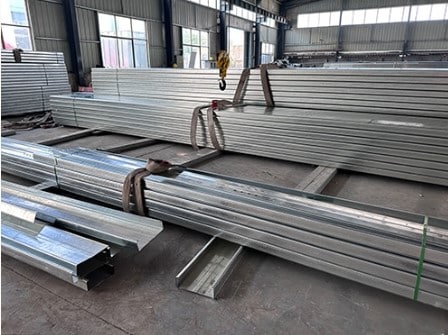
Keeping the surface safe is just as vital. Layers like hot-dip galvanizing stop rust from eating the metal. This is what really extends the steel structure lifespan. In rainy or salty coastal areas, the thickness of this protection determines if the building stays in good shape.
The bolts and joints matter too. High-strength bolts keep the frame tight for years. If the connections are weak, the building might suffer from fatigue. Even if the main beams are fine, a bad joint can lower the reliability of the entire facility.
How does steel warehouse durability affect long-term structural investment value?
Good steel warehouse durability is the secret to a high-value industrial building. A tough system stays strong even after years of environmental stress. This includes dealing with hot summers, cold winters, and the daily grind of moving heavy machinery inside.
Durability comes from a mix of smart choices. It involves rust-proof coatings and balanced framing shapes. These layers work together to protect the inside from outside forces. This way, the building does not lose its shape or safety over the decades.
When companies plan for the future, they look at how long a building will last. A durable structure means fewer repairs and a longer life. This makes it a much better financial choice for long-term business growth.
Technical specification framework of Pre-engineered warehouse systems
The design of a Pre-engineered warehouse follows a clear set of rules. These technical details decide how much weight it can carry and how it stands up to the weather. These numbers come from real-world testing and local building laws.
| Structural Parameter | Standard Range | Engineering Function |
| Steel Grade | Q235 / Q355 | Basic structural strength |
| Span Capacity | 20–60 meters | Wide-open space design |
| Building Height | Custom to project | Vertical space definition |
| Wind Resistance | Designed according to local standards | Protection from storms |
| Seismic Resistance | International standards | Safety during earthquakes |
| Main Components | Beams, columns, panels | The load-bearing frame |
| Surface Treatment | Anti-rust coatings | Increases steel structure lifespan |
These specs set the safety limits. They ensure that warehouse systems work well and stay safe in busy industrial areas.
KERUI Metal engineering capability and global project experience
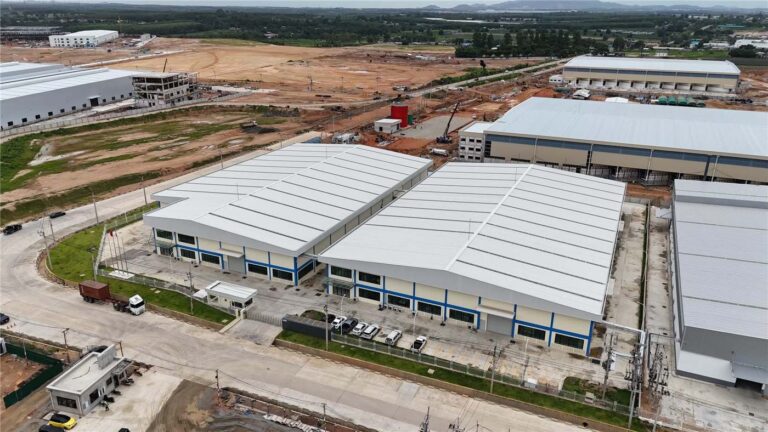
Building these systems requires both sharp design and steady manufacturing. With its large production power, KERUI Metal has sent steel warehouse solutions all over the world. Their work can be found in places like Thailand, the Philippines, Uzbekistan, and Brazil.
Every project matches the local weather and safety rules. This includes planning for wind speed and heat. The factory uses laser cutting and automated welding to keep quality high. This ensures every part is consistent from the first piece to the last.
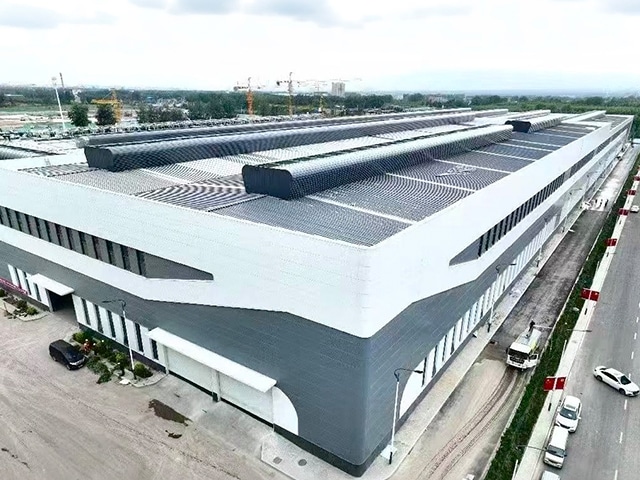
The company runs a massive 70,000-square-meter facility. It can produce 60,000 tons of steel a year. This allows them to handle both small and huge industrial building needs for clients everywhere.
Conclusion
Modern industrial growth relies on buildings that are predictable and long-lasting. The Pre-engineered warehouse model fits this need perfectly. It blends standard engineering with high-quality factory work. By using a smart warehouse building system, companies get better steel warehouse durability and a longer steel structure lifespan. These modern steel choices create a solid base for storage and logistics. As building standards get higher, these steel systems remain the best way to create reliable and large-scale industrial spaces.
FAQ
What influences steel frame warehouse construction cost in a Pre-engineered warehouse system?
The price of steel frame warehouse construction depends on the steel grade, the width of the span, and the type of protective coatings used for the project.
What defines a warehouse building system in industrial construction?
A warehouse building system is a coordinated steel frame. It uses beams, columns, and panels designed to handle weight and stay stable over time.
How is steel warehouse durability maintained in industrial environments?
You keep up steel warehouse durability by using anti-rust treatments and checking the joints. Regular inspections help the structure stay strong for its whole life.
Why are metal warehouse buildings widely used in global industrial projects?
They are popular because metal warehouse buildings are reliable and easy to put together. They also adapt well to many different climates and engineering needs.