








A practical guide on procurement for factory owners, warehouse operators, and general contractors.
A low price quote alone does not mean a steel package is ready for production. Buyers handling a factory or warehouse project should ask a better question. They need to know if they can see a clear, controlled path. This path must track everything from early design details to cut parts. It must also cover welded assemblies, paint coatings, and final shipment. This highlights the true meaning of structural steel fabrication. It stands as a fully documented production process. This process protects the original design goals. It also allows teams to check quality properly before site erection begins.
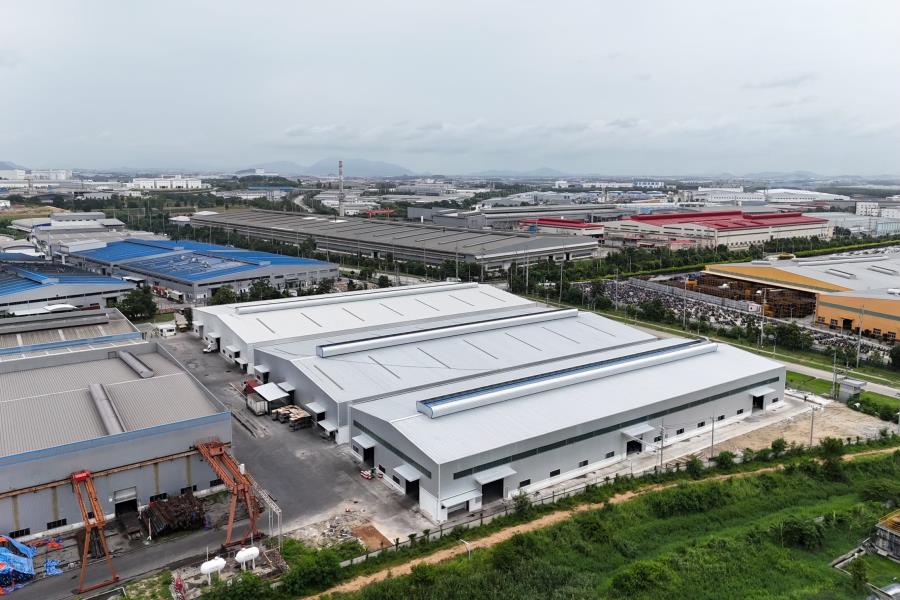
The first check is a controlled information set
Buyers need to check a few specific details before they release any materials. They must understand exactly which drawings and connection details guide the shop floor. They also need to know the active revisions and scope limits. A fabrication team might work using mixed document versions. They could build steel members that look perfectly fine on their own. However, those same parts might fail to fit the approved building frame. This problem goes beyond simple paperwork. It deals directly with strict configuration control. Every single piece released for work must link back to an approved design input. It must also tie to a very clear revision number.
You should always ask for a document register or transmittal log. This log lists the current structural drawings. It also shows the exact approval status for each one. The document highlights any pending comments. It names the specific person in charge of fixing those changes. This same register needs to point out connections with roof and wall systems. It must note openings and base plates as well. Embedded parts or site-fitted items must appear on this list too. This careful tracking shows the real value of a capable structural steel fabrication company. It sets them apart from a basic shop that just quotes steel by weight.
Material evidence must follow the piece
Buyers often spend time comparing structural steel fabrication companies. For these buyers, a basic certificate posted on a website holds little value. Real proof comes from a solid material trail. This trail must link directly to the actual purchase order. It connects the steel to its specific heat or batch number. It also ties into the member mark and the final inspection record. Suppose a project requires Q355 steel. The supplier must clearly state the exact material standard used. They need to offer a recognized international comparison. They must do this carefully. They cannot simply suggest that different global standards mean the exact same thing. The main rule always goes back to the approved project specification.
A good receiving plan asks for very specific items. These items include mill certificates or similar material logs. The plan must demand clear member and plate identification marks. It should look closely at how the shop controls welding consumables. It also needs a strict method for managing any material substitutions. Sometimes, factory records fail to connect to the actual fabricated member. When this happens, the buyer faces a serious problem. They might struggle to prove what materials went into the building. This becomes a huge issue if questions pop up several months later.

Fabrication quality is more than weld appearance
The visual look of a weld certainly matters. However, it forms just one small part of checking if a piece is ready to ship. Quality reviews need to check cut dimensions and exact hole locations. They must look at part fit-up and check for metal distortion. Inspectors must verify the weld size if the drawings specify one. They need to review surface preparation steps. They must check the coating or primer records. They also need to see how the shop protects the steel during truck loading. A proper inspection plan clearly names the person checking each detail. It must explain the exact rules used to accept or reject parts. It also needs to show how the shop separates and fixes bad work.
A buyer might evaluate a shop for structural steel and plate fabrication. This buyer should ask how the factory stores its test and inspection records. Almost every shop claims to have good quality control. The real question goes deeper than that. Buyers must find out if the quality plan creates solid proof during early stages. Proof matters most when fixing defects remains cheap and easy. Think about a standard warehouse frame. A missing bolt hole or a hidden repair can cause a massive delay at the job site. It turns into a costly schedule problem instead of a quick factory fix.
Projects often specify strict welding procedures and welder qualifications. They may also require non-destructive testing. In these cases, the supplier holds clear duties. The supplier must point out the exact project codes they follow. They also need to state the limits of their own work scope. For instance, ANSI/AISC 360 often governs the main structural steel design. However, this specific code does not give local wind, snow, or seismic load numbers. The proper loading standard, like ASCE 7, provides those specific values. It remains vital to keep design rules separate from factory production proof. This separation stops people from using a basic certificate to prove something it never actually tested.
Release records protect the delivery date
Schedule risks usually pop up when a shop claims production is finished too early. They might say a package is done before it is truly ready to leave. A smart buyer should ask for a detailed member-mark list. They should request the exact packing sequence and a log of any unfixed errors. Buyers also need to see the current coating status and the final shipping plan. The tracking list must clearly separate different part stages. It should show how many pieces are fabricated, inspected, or fully accepted. It must list repaired items and the exact number loaded onto trucks. This clear status language gives the general contractor a much safer planning base. It helps the site team organize their concrete foundations, lifting cranes, and final wall enclosures.
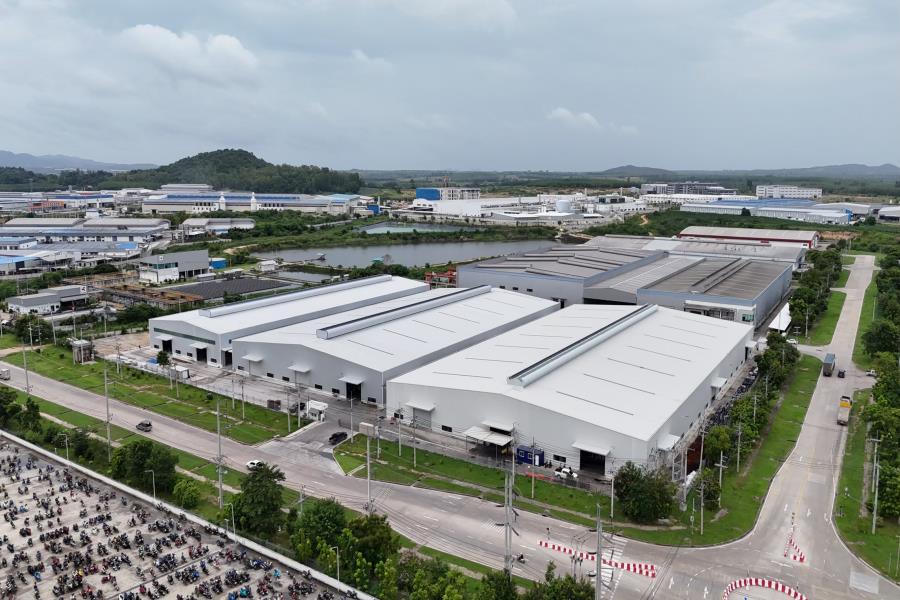
A concise buyer review sequence
| Review stage | Documents to request | Next action |
| Design approval phase | Latest drawings, revision logs, and cleared comments | Approve, pause, or ask questions |
| Material tracking | Mill papers, heat tracking, and part marks | Accept parts or demand better tracking |
| Factory production control | Testing plans, weld logs, and repair notes | Move forward, watch testing, or fix errors |
| Shipping readiness | Packing details, paint status, and truck loading order | Plan the site delivery |
This approach creates a procurement discussion built on real, checkable steps instead of blind hope. A good supplier adds massive value when they show controlled design inputs. They prove their worth through traceable materials and clear inspection stages. A highly accurate shipping status gives the entire project team a solid schedule they can trust.
Choosing a structural steel fabrication company for a factory or warehouse requires careful thought. Buyers must look at document control and shipping transparency. They should weigh these factors just as heavily as factory capacity and final price. KERUI Metal offers strong capabilities for factories, large warehouses, and industrial workshops. These services perfectly suit buyers who need their steel packages properly aligned with the broader construction goals.
You might need extra help matching your warehouse or workshop steel package to your main delivery schedule. If so, please reach out and contact KERUI Metal. It is always best to connect with us before you finalize your main factory release.
FAQs
What should a buyer request before fabrication starts?
You should ask for the most recent drawing log and the current approval status. Request the exact material rules and the detailed inspection plan. You must also demand a clear, written method for managing design changes and bad parts.
How can a buyer verify material traceability?
You need to ask the shop how they link their mill papers to the physical steel marks. You should also find out how they protect this part identity. They must maintain this tracking through cutting, welding, testing, and truck loading.
Does a weld certificate prove the whole frame is compliant?
No, it does not. A basic weld document only proves that the shop met specific welding rules. It never replaces proper design approvals or material tracking. It also cannot replace size checks, paint logs, or the required safety load rules.
What is the difference between fabrication and erection evidence?
Factory evidence proves exactly how the shop built and shipped the steel parts. On the other hand, erection evidence deals with the actual job site. It covers site assembly, temporary supports, bolting, frame alignment, and unexpected field fixes.
When should a buyer hold shipment?
You should pause a shipment if major design changes remain unsolved. Stop the trucks if the steel part marks look confusing or unclear. You must also hold the delivery if important test records vanish. Finally, do not ship if the physical packing list fails to match the approved release paperwork.