
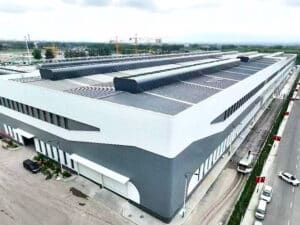
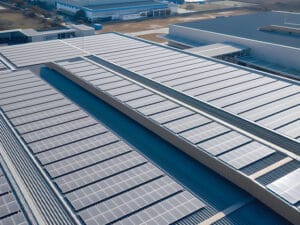
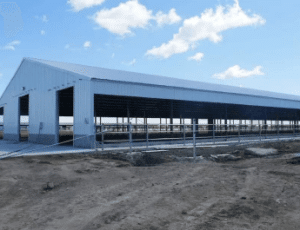
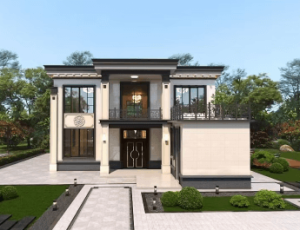
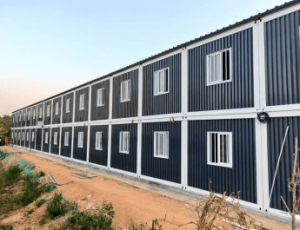
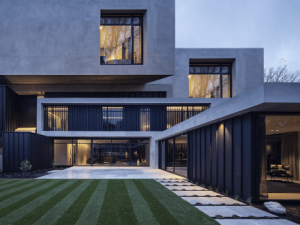
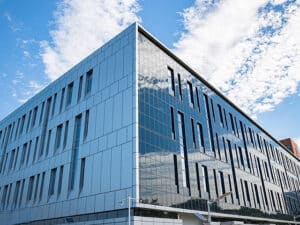
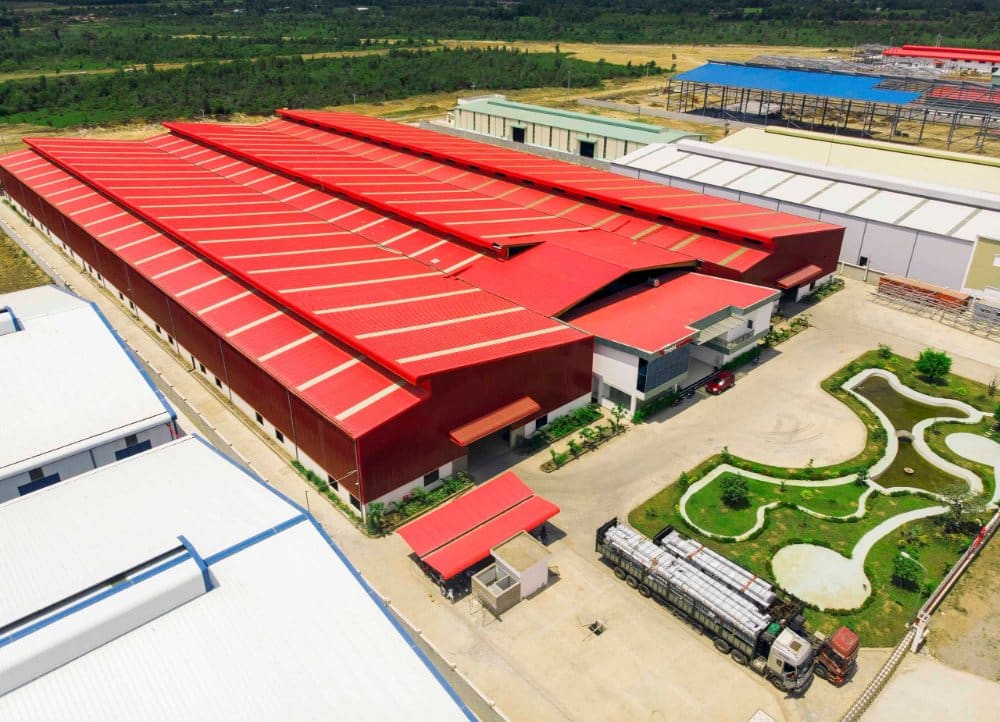
Color-coated steel is widely used in steel buildings where durable roof and wall protection, consistent appearance, and efficient installation are required. Builders frequently choose this material for roof and wall systems in industrial buildings, warehouses, and workshops. It combines a metallic-coated steel substrate with a factory-applied protective coating system. However, project owners and main contractors must do more than just pick a color. Many factors affect how well the material performs over time. These include the base metal, the metallic coating, and the paint system. The sheet shape, local climate, and fitting methods also play a big role.
The terms color steel, colour steel, and colour coated steel are often used in the market for related pre-finished sheet products. Yet these names can cover different substrates and coating systems. A buyer comparing a pre painted galvalume sheet with galvanized alternatives should therefore evaluate the complete material specification rather than rely on a trade name alone. This guide explains the main types, practical traits, building uses, and procurement questions that matter most in steel-structure projects.
1. Main Types of Color-Coated Steel
Color-coated steel products are generally classified according to the substrate beneath the paint layer. The core steel gives the sheet its strength and shaping ability. Meanwhile, the metal coating and top paint layer protect the steel substrate and give it a final look. Buyers usually look at two main families for building exteriors.
Pre-painted galvanized steel
A galvanized substrate is zinc-coated before the paint system is applied. This creates a pre-finished sheet that can be profiled for roofing, wall cladding, flashings, and related components. Buyers may encounter descriptions such as colored galvanized sheet metal or color galvanized steel. In a project specification, these phrases should be followed by the required base-metal thickness, metallic coating, paint system, dimensions, profile, and finish rather than treated as a complete specification on their own.
Pre-painted galvalume-type steel
A pre painted galvalume sheet features an aluminum-zinc alloy base under the paint layer. Builders often pick it for roofs and walls. It is often selected for projects requiring improved corrosion resistance and long-term exterior durability. Still, its true fit depends on several things. The local climate, cutting methods, exposed edges, and fasteners all matter. It must also match well with nearby materials. Buying teams need to check the exact coating type and paint system against the project rules. They should never assume all painted metal sheets work the same way.
Plain, profiled, and insulated envelope forms
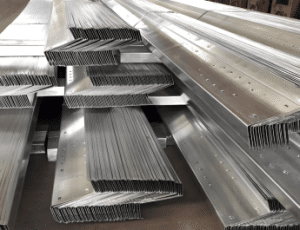
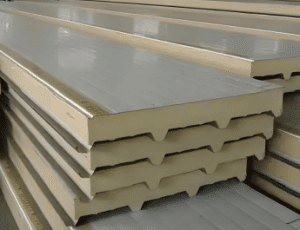
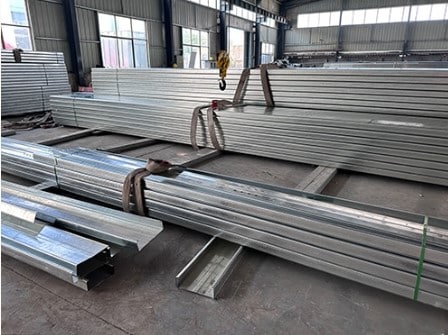
A pre painted plain sheet may be supplied flat for fabrication into trims, flashings, closures, and other details, while profiled sheets are roll-formed for roof and wall coverage. In insulated envelopes, coated steel facings may also be integrated into sandwich-panel systems. KERUI Metal’s project knowledge base identifies steel sheets and sandwich panels as roof and wall system options in industrial steel buildings, allowing the envelope to be coordinated with the main frame, C/Z purlins, openings, fasteners, and connections as one building system.
2. Traits That Matter in Procurement
The visual finish is only one performance trait. A reliable specification should connect the sheet to the building’s exposure, structural layout, expected maintenance, and installation method.
Corrosion protection and coating integrity. The metallic layer and paint system work together to protect the steel substrate. Scratches, damaged cut edges, incompatible fasteners, trapped moisture, or poor detailing can reduce protection, so handling and installation quality matter alongside the nominal coating specification.
Formability and profile consistency. Roofing and wall panels must be roll-formed without unacceptable cracking or coating damage. Consistent dimensions also support better alignment, fastening, and sealing at the jobsite.
Weather resistance. Exterior sheets face rain, UV exposure, temperature cycling, wind-driven water, and local atmospheric conditions. The appropriate coating system should be selected for the actual climate and project requirements rather than by color alone.
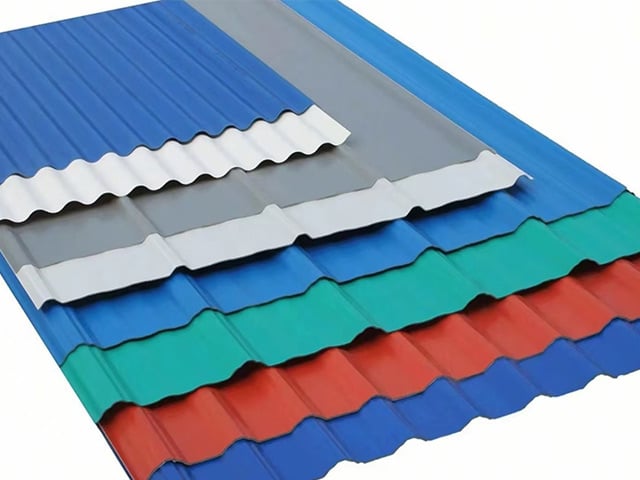
Appearance and color control. Available steel sheet colours can support architectural identity, zoning requirements, heat-management strategies, or brand standards. For large projects, buyers should control approved samples, batch consistency, gloss, and visible interfaces between panels.
Maintainability. KERUI project guidance includes anti-corrosion coating maintenance, fastener inspection and replacement, and roof-panel and sealing maintenance. These routine checks are particularly relevant to long-span industrial buildings where envelope defects can affect stored goods, production areas, and operating continuity.
3. How to Select the Right Sheet for a Steel Building
For a warehouse or factory owner, selection should begin with the building and its environment. The same color coated steel specification should not be assumed suitable for every climate, span, internal use, or maintenance regime. A practical review can be organized around five questions.
1. What is the building use? A dry warehouse, production workshop, agricultural facility, or mining-support building can expose the envelope to different moisture, dust, chemicals, temperature ranges, and maintenance access.
2. What are the local environmental loads? KERUI Metal designs steel structures according to local project requirements, including wind resistance and seismic considerations. While these loads primarily govern the structure, they also affect panel support spacing, fastener strategy, edge conditions, and water-tightness details.
3. What substrate and coating are required? The buyer should identify whether galvanized or aluminum-zinc alloy-coated substrate is specified, then confirm the paint system, finish, thickness, and relevant project standard. A generic request for colored galvanized sheet metal does not define enough information for controlled purchasing.
4. How will the sheets connect to the secondary structure? C/Z purlins, panel spans, lap directions, fastener locations, roof slope, penetrations, and trim details should be coordinated before fabrication. This reduces site modification and supports predictable installation.
5. How will quality be checked? The project should define inspection points for raw materials, dimensions, finish condition, packaging, and delivered components. KERUI Metal applies systematic quality control from raw-material procurement through production and final delivery for its steel-structure projects, including raw-material inspection, in-process control, welding inspection, and final dimensional and performance checks.
4. Typical Uses in Industrial Steel Buildings
In steel-structure construction, pre-finished sheet products are valued because they arrive ready for assembly and can cover large areas efficiently. Their principal uses include roof panels, wall cladding, gable and parapet areas, ridge and eave flashings, corner trims, opening surrounds, and other closure details. Flat material may also be fabricated into accessories where a colored finish must remain consistent with the main envelope.
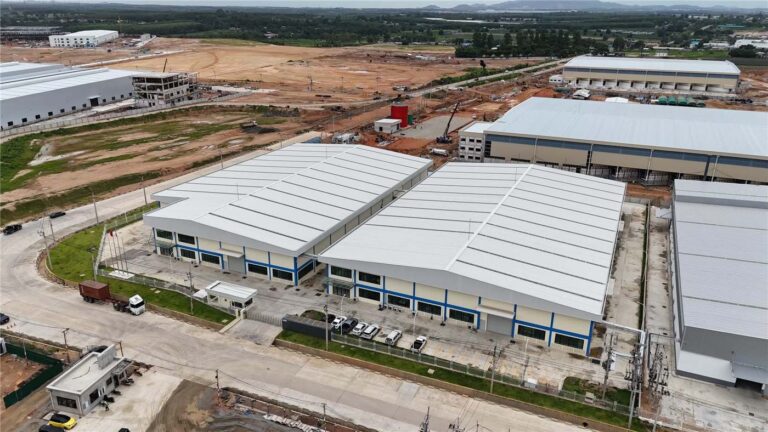
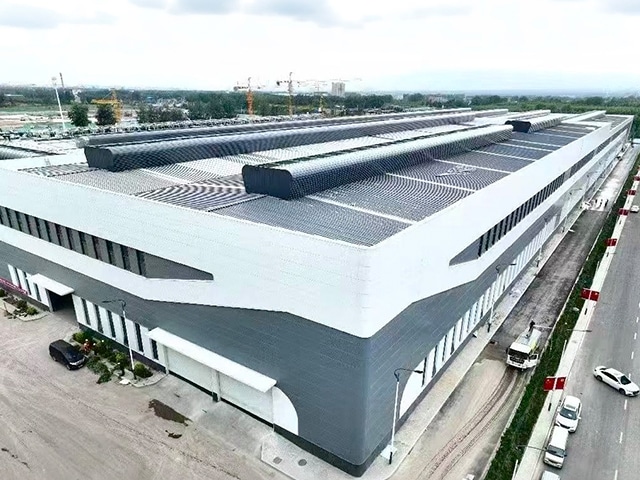
For steel structure warehouses, the roof and wall system affects weather protection, internal storage conditions, maintenance planning, and construction speed. In a steel structure factory, the envelope may also need to coordinate with ventilation, equipment openings, production zones, and future expansion. For a steel structure workshop, panel layout and access details should be planned together with the structural bay arrangement and secondary steel.
Color selection can also be project-specific. In project discussions, color steel may be used as a broad commercial term, but the approved material schedule should still define the substrate and coating system. Industrial buyers comparing colour steel colours should consider surrounding buildings, local planning requirements, solar exposure, dirt visibility, replacement availability, and whether future extensions must visually match the original construction. Agricultural buyers may see the phrase barn steel colors used for similar pre-finished sheet choices, but the same principle applies: color is a visible attribute, not a substitute for a complete performance specification.
5. Supplier Coordination: From Sheet Choice to Building Delivery
In large-scale industrial projects, procurement risks often occur between different project stages. These stages include design, material picking, factory work, packing, and site building. A perfectly good colour coated steel sheet can still cause major delays. This happens if the panel sizes, edges, or door gaps are wrong. Problems also occur if the screws or packing order fail to match the steel frame and building plan.
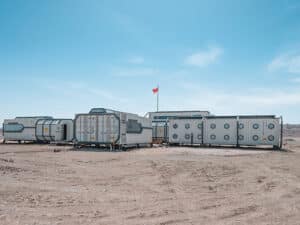
KERUI Metal started its journey in 2005. It runs a modern factory covering about 70,000 square meters for making steel structures. Its clear factory process involves CNC laser cutting and robot welding. It also covers parts assembly and painting tasks. The plant can produce up to 60,000 tons of steel structures every year. KERUI Metal has successfully delivered industrial buildings, warehouses, and other steel structure projects. It has also finished other steel-structure projects in places like Thailand, the Philippines, Mongolia, Uzbekistan, and Brazil.
This wide project skill is crucial for planning the building shell. Roof and wall sheets are just one piece of the final puzzle. The main steel frame, C/Z purlins, and wall panels must fit perfectly. Doors, windows, screws, and joint parts must also work as one complete system. KERUI Metal holds ISO 9001, ISO 14001, and ISO 45001 certificates. It uses strict rules for buying materials, making parts, and shipping goods. This gives owners and main contractors a solid base for talks. They can easily discuss material details, exact sizes, and packing methods. They can also plan the shipping order and site help together. This approach is much better than treating painted metal sheets as just a basic item.
Conclusion. Picking the right painted sheet works best when buyers look past the surface color. They must check the base metal, metal coating, and paint setup. They should also review the sheet shape, fine details, local climate, and supplier teamwork. In industrial steel buildings, this material functions as part of an integrated roof and wall envelope system. Its success relies heavily on strong structural joints and good site work. Owners and contractors should link their material choices with the main design. They must also tie it to factory checks and shipping plans. Doing so helps them make smarter choices regarding quality, budget, timing, and future repairs.
6. FAQ
Is color coated steel the same as galvanized steel?
Not exactly. Galvanized steel describes steel protected by a zinc coating. Color-coated material adds a paint or organic coating system over a metallic-coated or otherwise prepared steel substrate. Buyers should confirm the full substrate and coating specification.
What information should be included when requesting a pre painted galvalume sheet?
A useful inquiry should include sheet thickness, dimensions or profile, substrate/coating requirement, paint system, color or approved sample, quantity, application, service environment, packing, and any project-specific standards. This is more reliable than requesting material by a short trade name only.
How should color coated steel be selected for a warehouse or factory project?
Selection should be coordinated with climate, building use, roof and wall geometry, purlin spacing, fastening and sealing details, maintenance expectations, and project standards. For an integrated steel building, the envelope specification should be reviewed together with the structural and installation requirements. This helps ensure that a color steel envelope is matched to the building rather than selected on appearance alone.