
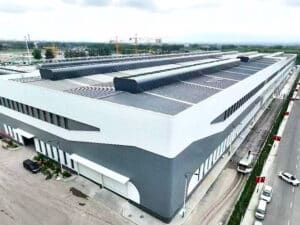
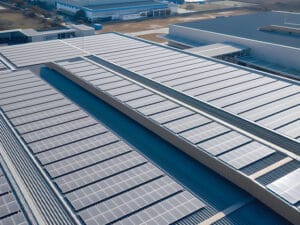
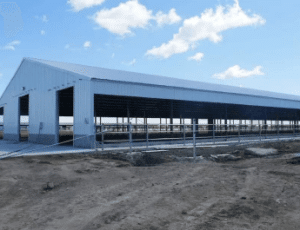
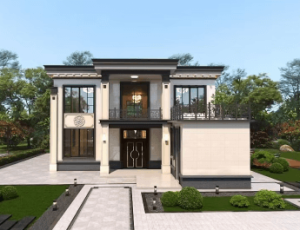
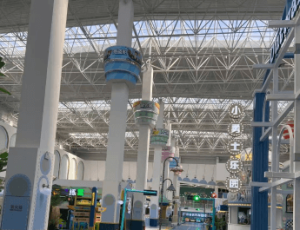
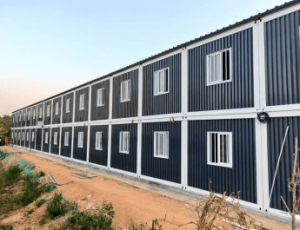
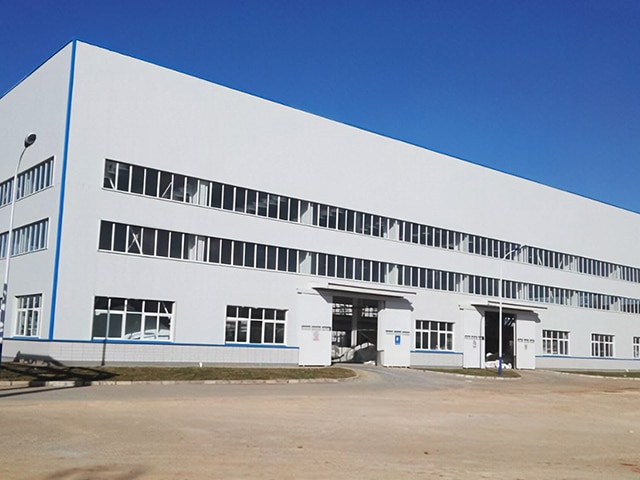
The worldwide need for sturdy facilities in the heavy industrial and mining fields has changed the way designers handle big storage projects. A structural steel warehouse serves more than a basic enclosure for goods; it acts as a carefully planned structure built to endure tough mechanical pressures and rough weather. For businesses dealing with costly gear or large ore volumes, switching to tailored steel warehouses delivers a degree of build quality that older building methods cannot equal.
What Makes a Structural Steel Warehouse the Best Choice for Heavy Industry?
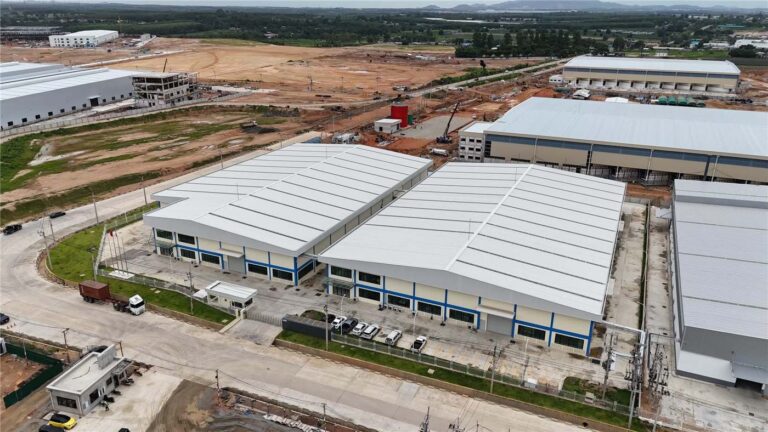
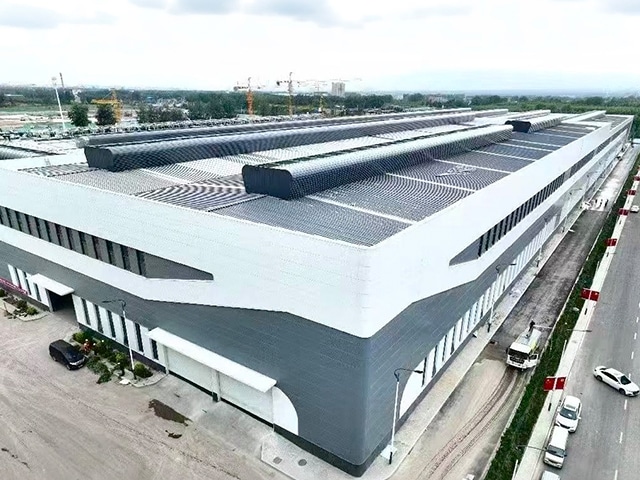
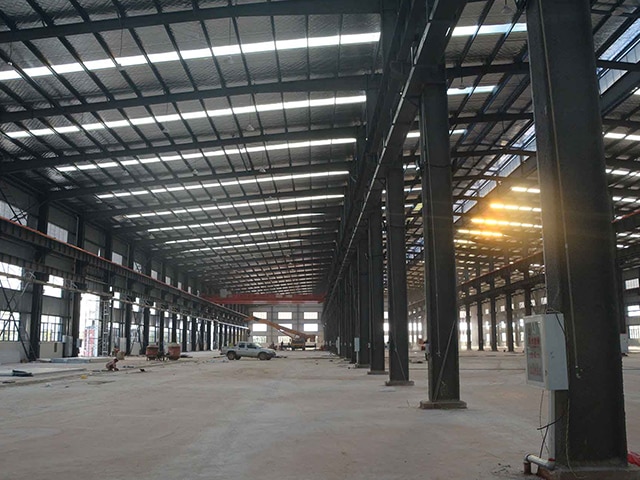
The main benefit of a structural steel warehouse comes from its material traits and design adaptability. Unlike typical concrete structures, a steel construction warehouse makes use of solid steel types, like Q235 or Q355, which offer a superior balance of strength and weight. This setup enables the building of vast, open interior spaces—from 20m to more than 60m—without relying on bulky inside pillars.
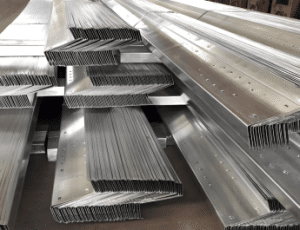
For demanding industrial uses, these facilities are planned to handle overhead cranes, robust shelving, and major equipment handling. The application of H-beams and box columns ensures the core frame can bear heavy upward and sideways forces, whereas C or Z section purlins supply the required extra support for the roof and wall setups.
| Feature | Technical Specification | Industrial Benefit |
| Steel Grade | Q235 / Q355 | High tensile strength and durability |
| Span Range | 20m – 60m (Customizable) | Column-free space for large machinery |
| Main Components | H-beams, Box Columns | Maximum load-bearing capacity |
| Wind Resistance | Local Standard Compliance | Stability in extreme weather |
| Seismic Rating | International Standards | Safety in high-risk geological zones |
| Annual Capacity | Up to 60,000 Tons | Scalable production for large projects |
Why is Customization Essential for Mining and Energy Projects?
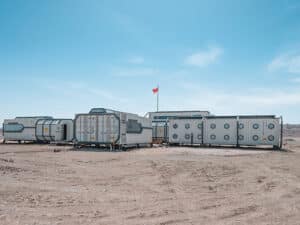
Mining operations often sit in isolated, difficult terrain where basic designs fall short. Tailoring a structural steel warehouse permits engineering that fits the exact location, considering factors like regional wind forces, snow weight, and earthquake risks. In the energy field, steel warehouses frequently connect with current industrial frameworks, so they need accurate shape arrangements that custom building alone can deliver.
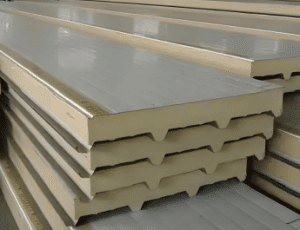
KERUI Metal has shown this skill through projects in varied places like Mongolia, Brazil, and Uzbekistan. By reviewing the particular weather at a mining spot, designers can adjust the steel sheet thickness or the kind of sandwich panels for the roof and walls. This helps achieve good heat control and protection against rust.
How to Select the Right Components for Your Steel Construction Warehouse?
Creating an effective steel construction warehouse involves picking parts that match the building’s purpose. The tailoring starts with the main frame, where box columns work well for taller industrial setups or spots needing extra firmness.
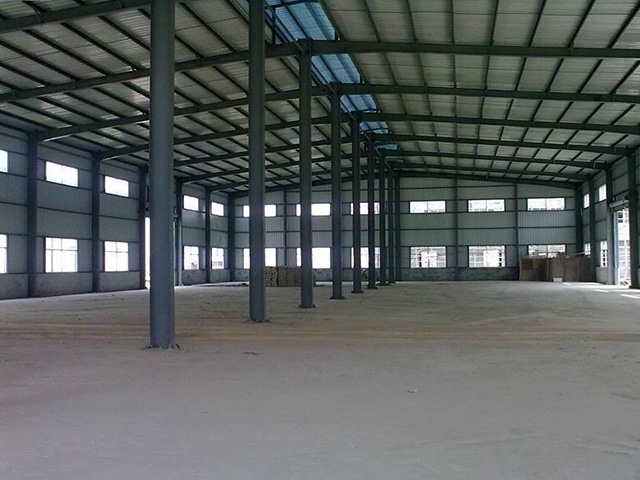
- Primary Framing: Use H-beams for regular widths or box columns for tough industrial backing.
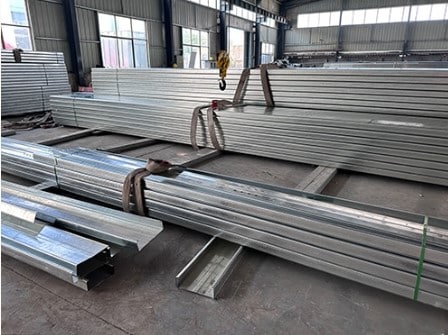
- Secondary Framing: Apply C/Z section purlins to form a light but firm network for outer covering attachment.
- Cladding Systems: Pick single-layer steel sheets for simple storage or insulated sandwich panels for areas needing temperature control.
- Access Points: Add strong industrial doors and sturdy windows to support the entry of mining vehicles and supply tools.
- Fastening: Employ tough bolts and special joint parts to keep the structure solid under shaking or heavy weight.
What Advanced Manufacturing Processes Ensure Warehouse Reliability?
The dependability of current steel warehouses stems from moving away from hand work to automated, exact production. Modern factories now apply CNC laser cutting so each steel piece gets shaped with fine accuracy, which matters a lot for a smooth setup at the site of a structural steel warehouse.
After cutting, automatic submerged arc welding creates deep, even joints on H-beams and columns. This method falls under careful quality checks, following standards like ISO 9001 and ISO 45001, to confirm every join fits global safety rules. In the end, sandblasting and adding targeted anti-rust layers shield the steel from damage seen in mining and chemical settings.
How Does Prefabrication Accelerate Your Project Timeline?
One key plus of a steel construction warehouse is how fast it comes together. Since most structural parts are made ahead of time in a factory under controlled conditions, the time spent building on location drops sharply. This block-style fitting cuts down on the need for special welding at the site and lessens delays from bad weather.
- Reduced Foundation Costs: The light weight of steel means simpler base work than with concrete builds.
- Simultaneous Processing: As the site gets ready, the structural steel warehouse parts are produced in the factory.
- Minimized Waste: Plant-based making allows better use of materials and close checks on supplies.
- Global Logistics: Parts get planned for easy packing and transport, aiding quick setup in places like Thailand or the Philippines.
How to Maintain Your Industrial Steel Investment for the Long Term?
Although steel warehouses last a long time, a planned upkeep plan is key to keeping the structural strength of a steel construction warehouse in work areas. Contact with factory chemicals, damp air, or rough dust can slowly wear down outer protections.
Checking the anti-rust layer regularly forms the basic safeguard. Any hint of rust or marks should get fixed right away to stop deeper corrosion. Plus, looking at bolts and swapping them out is vital, particularly in spots where big machines cause ongoing shakes. Lastly, caring for the roof sheets and seals keeps the inside dry and safe from outside elements.
Conclusion
The growth of the structural steel warehouse has given heavy industry and mining areas a flexible, lasting, and budget-friendly option for tricky storage tasks. By mixing modern production steps like CNC laser cutting with strong materials such as Q355 steel, firms can protect their work against the hardest conditions. Choosing a tailored steel construction warehouse goes beyond picking a building; it forms a lasting plan for smooth running and protecting assets.
For your upcoming worldwide task, team up with a top firm like KERUI Metal to draw on 20 years of knowledge in planning, building, and handling global projects.
FAQ
Q: Can a structural steel warehouse withstand earthquakes and high winds?
A: Yes, a structural steel warehouse gets built to follow certain local and worldwide rules for earthquake and wind strength. Steel’s natural flexibility lets it take force and bend a bit without falling apart, so it ranks as one of the surest choices for risky areas.
Q: How long does it take to build a steel construction warehouse?
A: The schedule for a steel construction warehouse runs much quicker than the usual ways. Based on size, pre-making can wrap up in weeks, and site fitting often finishes way faster than with concrete due to ready parts.
Q: What is the maximum span possible in steel warehouses without interior columns?
A: Regular steel warehouses easily reach open spans from 20m to 60m. For special work uses, custom planning can push these further, giving a fully open floor for big machines and supply lines.
Q: Are steel warehouses suitable for corrosive environments like mining sites?
A: Yes, they work well, yet they need specific outer treatments. A structural steel warehouse meant for mining or shore spots usually goes through thorough sandblasting and gets coated with strong anti-rust layers to last against chemicals and wet conditions.
Q: How does a steel construction warehouse reduce overall project costs?
A: Savings come from several sides: the light build lowers base costs, the pre-made style cuts site worker expenses, and the long use time means fewer fixes or swaps for the structure over the years.