
Introduction: The Future of Lightweight Construction
Modern construction is shifting toward lightweight structures, faster installation, cleaner job sites, and more sustainable materials.Within this change, light-gauge steel construction emerges as a viable approach for homes, prefabricated setups, business premises, roofing setups, and minor factory buildings.
Light gauge steel framing uses thin galvanized steel sheets formed into precise structural profiles.Compared with timber, concrete, or heavy hot-rolled steel, it delivers a solid mix of minimal mass, substantial durability, exact measurements, and rapid fitting. The initial piece further stresses durability, pace, and eco-friendliness as primary factors driving the broad adoption of light-gauge steel framing in today’s building sector.
What Is Light Gauge Steel Construction?
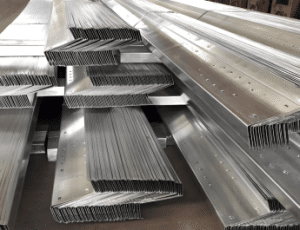
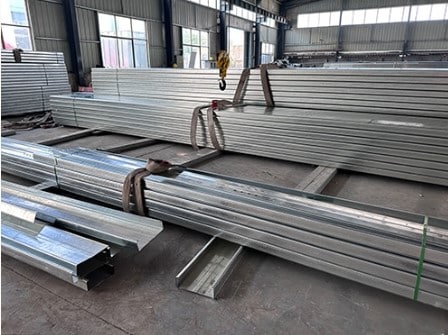
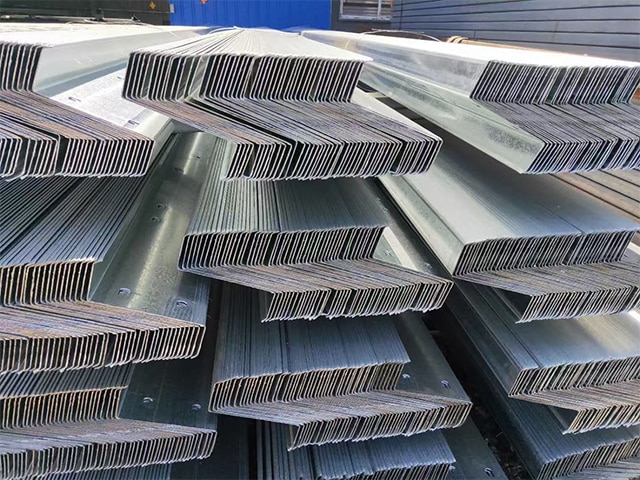
Light gauge steel construction is a building method that uses cold-formed galvanized steel components.These parts typically take forms like C-profiles, U-channels, Z-beams, posts, beams, beams, and light gauge steel trusses.
Within a full building setup, light-gauge steel framing functions as the foundational frame. Wall supports, roofing networks, floor setups, support elements, and light gauge metal trusses link up to create a firm and precise structure.
This approach fits particularly well for endeavors where lighter permanent load, plant-based exactness, quicker supply, and simpler fitting hold significance.
Why Light Gauge Steel Framing Is Gaining Popularity
Conventional building methods frequently encounter extended timelines, intensive fieldwork, damp procedures, and variable supply standards. Light-gauge steel framing addresses numerous such issues via pre-fabrication and managed production.
Principal gains encompass:
- Faster installation
- Lower on-site labor demand
- More accurate component dimensions
- Cleaner construction sites
- Reduced waste
- Better compatibility with modular buildings
For reduced-mass frameworks, the gain proves even clearer. A light steel network can lessen building burden and potentially ease base demands. The knowledge base likewise points to light design, quick fitting, adaptable building layout, and expense savings as central strengths of steel building answers.
Key Benefits of Light-Gauge Steel Construction
Lightweight Yet Strong
Light-gauge steel possesses a superior durability-to-mass proportion. It supports dependable building function without introducing excess permanent burden.
Standard applications cover:
- Modular housing
- Portable site offices
- Roof extensions
- Residential buildings
- Commercial interiors
- Schools and healthcare buildings
- Light industrial facilities
Light gauge metal trusses are especially effective in roof systems where both strength and low weight are required.
Fast and Accurate Installation
Plant-produced steel support parts cut down on-site slicing, gauging, and tweaking. Parts can undergo pre-planning, pre-boring, marking, bundling, and joining via screws, bolts, and links.
This aids in cutting:
- Manual fabrication
- Installation delays
- Material waste
- Dimensional errors
- Rework
Cold-formed steel trusses likewise boost fitting exactness since every part can be tailored to building plans and link needs.
Durable and Long-Lasting
Zinc-coated steel withstands various issues tied to wood and standard supplies. It avoids bending, contracting, curving, decaying, or facing pest harm. With suitable covering and upkeep, light gauge steel construction can yield an extended operational duration.
Vital lastingness elements cover:
- Galvanized surface protection
- Anti-corrosion coating
- Correct fastener selection
- Roof panel sealing
- Regular connection inspection
The knowledge base notes anti-corrosion coating upkeep, fastener review, roof panel upkeep, and sealing upkeep as elements of the extended service strategy.
Product Specifications and System Types
Different projects require different profiles, truss designs, spans, coatings, and load calculations.The chart below outlines standard light-gauge steel framing and truss network varieties.
| Product Type | Typical Components | Common Application | Technical Focus |
| Wall framing system | C-studs, U-tracks, bracing | Homes, offices, schools, modular units | Stud spacing, wall height, lateral stability |
| Roof truss system | Top chord, bottom chord, web members | Villas, warehouses, extensions | Span, pitch, wind load, uplift resistance |
| Metal truss package | Cold formed members, fasteners, connectors | Lightweight roof structures | Low dead load, fast assembly, corrosion protection |
| Cold formed steel truss system | Galvanized sections, pre-drilled joints | Modular and prefabricated roofs | Precision forming, repeatable geometry |
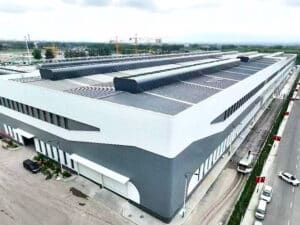
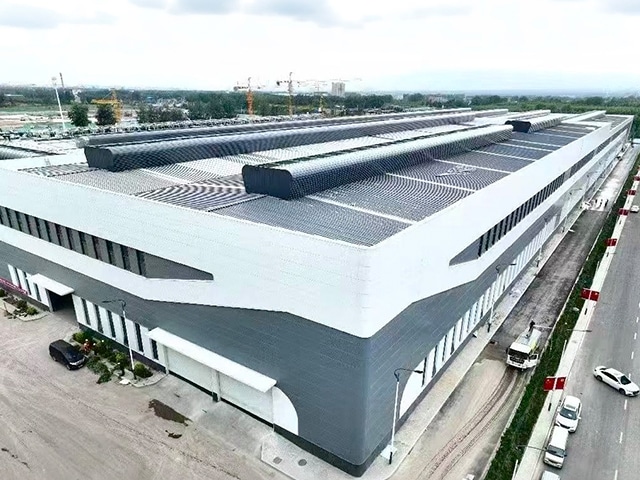
| Hybrid steel structure | Light gauge framing plus main steel members | Warehouses and industrial buildings | Load distribution, span optimization |
Building details ought to align with endeavor plans and regional standards. The knowledge base lists Q235 and Q355 steel levels, adjustable reaches, endeavor-specific structure height, regional wind durability layout, and quake adherence as key building elements.
Typical Applications of Light-Gauge Steel Structures
Light-gauge steel construction sees broad use in ventures demanding pace, duplication, and light durability.
Frequent uses involve:
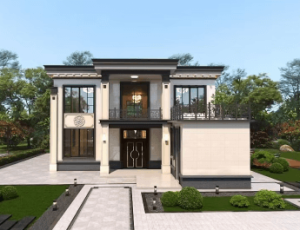
- Residential homes, villas, and townhouses
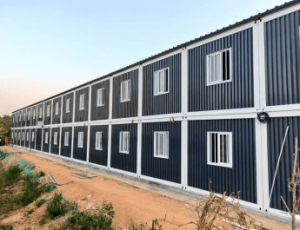
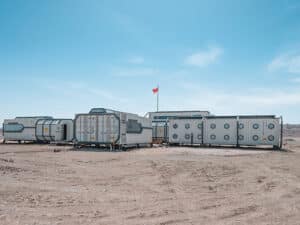
- Modular buildings and worker accommodation
- Portable offices and emergency housing
- Commercial buildings and retail spaces
- Schools, hospitals, and public facilities
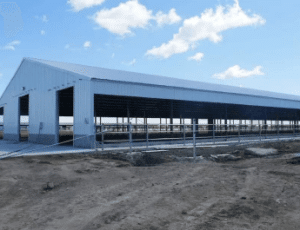
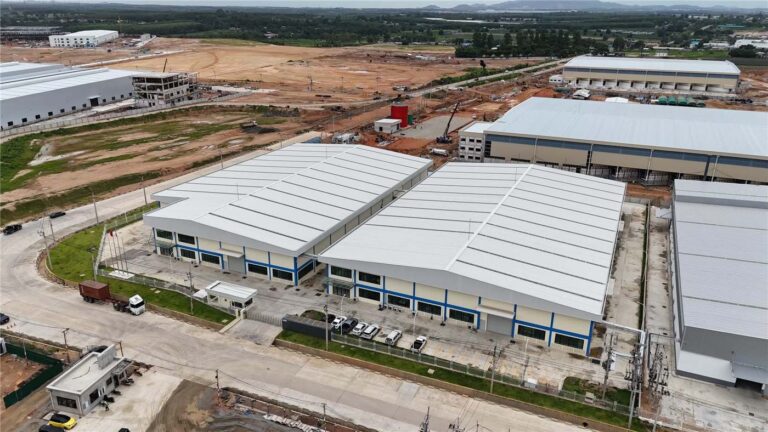
- Warehouses, logistics centers, and agricultural buildings
- Roof extensions and renovation projects
The knowledge base further covers factory plants, storage units, supply hubs, farm setups, extraction and power ventures, and tailored steel building uses.
Light Gauge Steel Framing vs Traditional Materials
| Feature | Light Gauge Steel Framing | Timber / Wood | Concrete / Masonry |
| Weight | Lightweight and strong | Lightweight but less stable | Very heavy |
| Speed | Fast prefabricated assembly | Moderate | Slow due to wet work |
| Durability | Resistant to termites, rot, and deformation | Can warp or decay | Durable but heavy |
| Accuracy | High factory precision | Variable | Moderate |
| Maintenance | Low with proper coating | Higher in humid climates | Medium |
| Sustainability | Recyclable and low-waste | Renewable but less stable | Higher carbon footprint |
| Best Use | Modular, residential, roof trusses, light industrial | Small buildings | Heavy structures |
Light-gauge steel framing serves not merely as a substitute for standard supplies. Rather, it stands as a superior option whenever a venture requires pace, exactness, light framework, and consistent standard.
Manufacturing Quality and Project Reliability
Item standard hinges on factors beyond steel depth. A trustworthy light gauge steel network demands supply oversight, precise shaping, fitting link layout, covering standard, and ultimate review.
KERUI Metal possesses mechanized output features like CNC laser slicing, automatic joining, fitting, adjustment, blasting, and rust-proof covering, per the provided knowledge base.
Crucial standard oversight phases involve:
- Raw material inspection
- Steel grade verification
- In-process dimensional control
- Welding quality inspection
- Surface treatment inspection
- Final size and performance checks
For purchasers assessing light gauge metal truss manufacturers, standard oversight merits regard as a fundamental buying criterion.
The Future of Light-Gauge Steel Construction
The future of light gauge steel construction will be shaped by automation, digital design, and sustainable building demand.As workforce expenses climb and venture schedules tighten, pre-made steel networks will gain further worth.
Anticipated patterns cover:
- Automated forming and punching
- BIM-based structural coordination
- AI-assisted load optimization
- Hybrid modular systems
- Improved cold-formed steel trusses
- Smarter quality inspection
Need for light gauge metal trusses and light gauge steel framing will persist in rising as builders pursue swifter supply, neater fitting, and firmer ongoing value.
Conclusion
Light-gauge steel construction unites the traits contemporary buildings demand above all: slimmer mass, elevated durability, swifter joining, measurement exactness, lastingness, and eco-friendliness.
From home buildings and pre-made homes to business areas, storage units, roofing additions, and minor factory sites, light gauge steel framing offers a sensible route to enhanced building function. When paired with planned light gauge metal trusses, light gauge steel trusses, and cold formed steel trusses, the outcome yields a framework simpler to produce, quicker to fit, and steadier across time.
Google Search Intent FAQ
Q: What is light-gauge steel construction used for?
A: Light gauge steel construction serves purposes in home buildings, pre-made units, business premises, educational institutions, medical centers, roofing additions, storage facilities, and minor factory structures.
Q: Are light-gauge metal trusses strong enough for roof structures?
A: Light gauge metal trusses possess adequate durability for various roofing structures, provided they align with reach, wind burden, roof angle, structure height, and regional standard demands.
Q: What is the difference between light-gauge steel trusses and cold-formed steel trusses?
A: Light-gauge steel trusses denote the item type, whereas cold-formed steel trusses indicate the production technique. In numerous ventures, these expressions refer to light zinc-coated steel truss networks.
Q: How do light-gauge metal truss manufacturers ensure product quality?
A: Light gauge metal truss manufacturers secure standards via supply review, precise shaping, link assessments, rust-proof covering, measurement checks, and ultimate bunding evaluation.
Q: Is KERUI Metal suitable for custom light-gauge steel framing projects?
A: KERUI Metal provides backing for tailored steel building answers grounded in venture reach, burden needs, wind durability, quake demands, and fitting circumstances.
CTA
Looking for reliable light gauge steel framing, light gauge metal trusses, light gauge steel trusses, or cold-formed steel trusses? Contact KERUI Metal for customized steel structure solutions designed around your project requirements.