
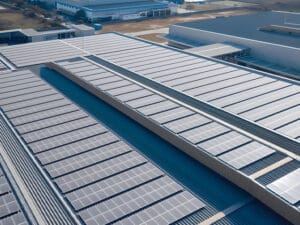






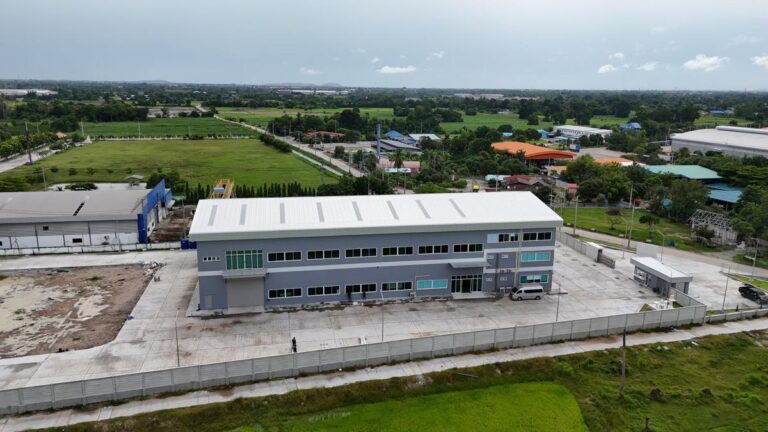
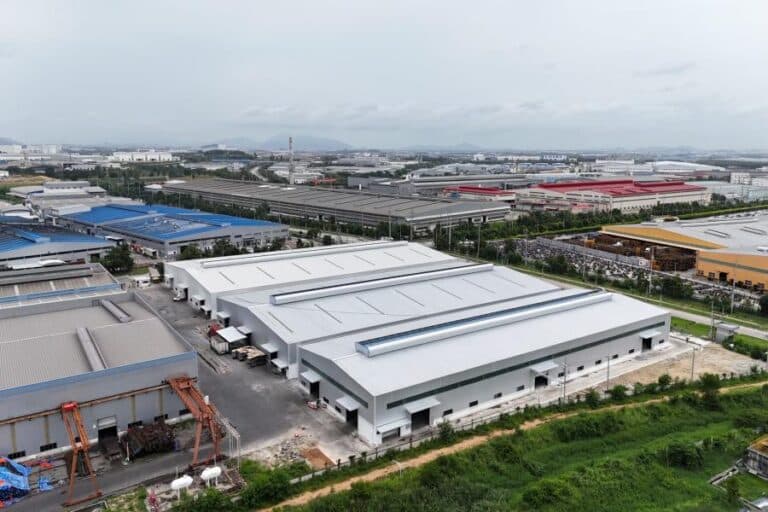
Adding solar gear looks like an easy roof update. But this changes when the mounts touch the parts that keep a commercial building dry. Factory and warehouse owners face a main issue. They must know if the chosen mounts move weight into proven steel supports. The setup must also protect the weather seals. Fixing these joining details before making the parts helps the project team. It gives them a solid starting point for building and checking the work.
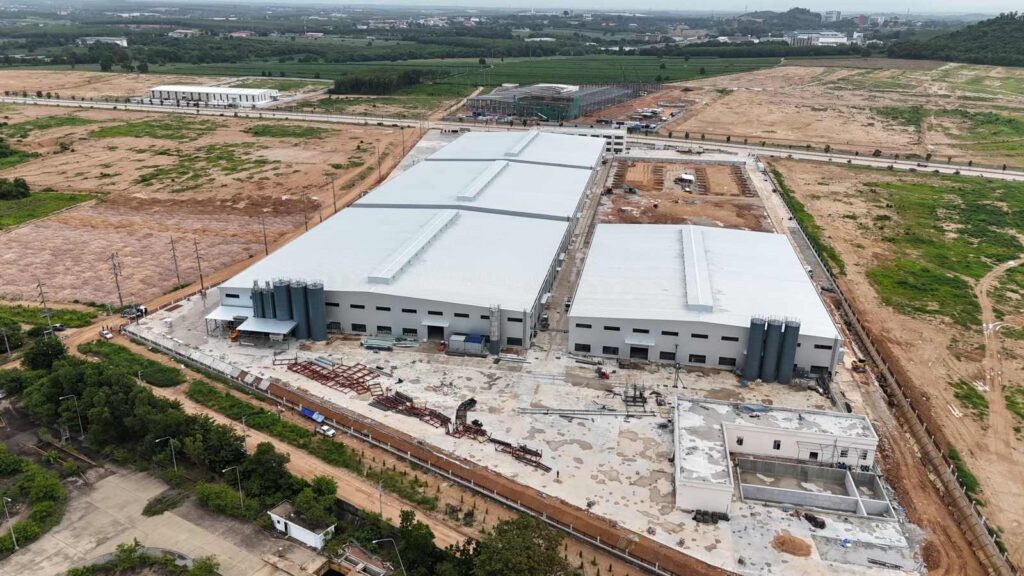
The roof is a load path before it is a mounting surface
A solar setup brings extra weight from the gear. It also adds joining forces and wind stress to the roof system. This system already manages its own base weight. It also deals with active loads and weather impacts. The roof covers, purlins, and steel trusses link together. Columns, braces, and foundations join them to make clear paths for the weight. A good solar plan needs to point out where these forces hit the main frame.
Module weight is only the first action
Figuring out the weight of panels and rails is mostly simple. Yet, this is just one piece of the whole check. Wind can pull the gear up. It can also push hard on certain spots of the setup. Snow and worker access change the total loads. Local earthquake risks might also alter the final numbers. The ASCE/SEI 7 guide has rules for solar setups on roofs. Still, the head engineer has to check the local building codes. They must look at weather exposure and specific site loads.
Roof zones can change the connection demand
Edges, corners, and peaks of a roof act in their own way. They handle stress differently than large flat center spaces. A plan might look perfectly spaced on paper. But it could require varied gap sizes for the mounts. It might even need a totally new rack shape. This need often shows up after checking the wind zones. Looking at the support map also helps spot these issues. Because of this, a seller’s standard layout is not enough. It should never take the place of a proper engineering check for that exact building.
| Check item | Query for the work group | Reason for checking |
| Roof base | Which beam takes the load from each mount? | The top cover is not the main base. |
| Planned forces | What local forces act on the site? | Upward wind pull changes based on the roof area and mount shape. |
| Water block | How will the mount keep water flowing away? | A strong joint might still let water sneak in. |
| Upkeep and reach | Are workers able to get to bolts and water pipes? | Checking often spots loose parts and stuck dirt right away. |
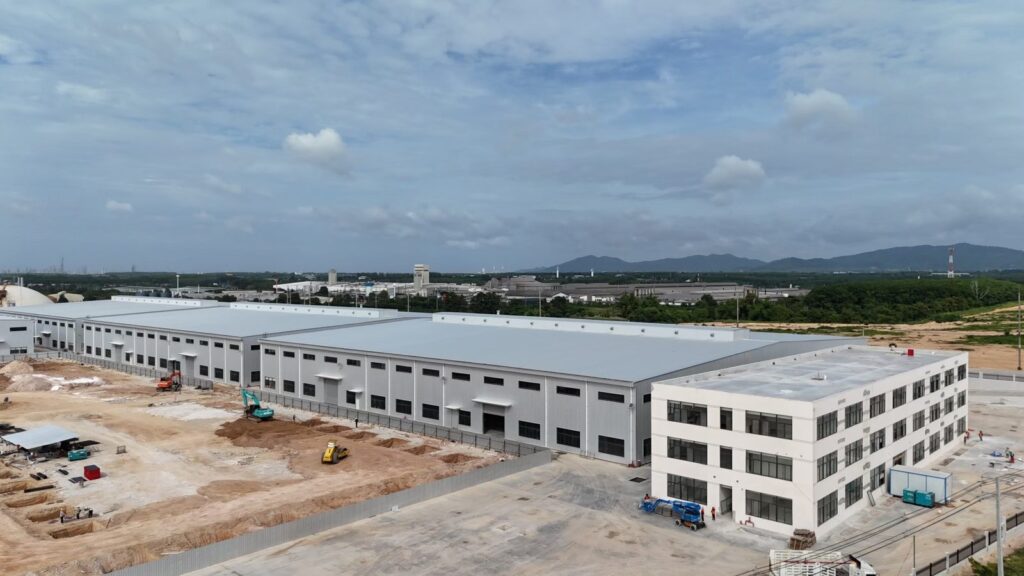
A mount must reach a verified support
A safe solar mount must push its weight into a proven beam. This beam must be made or tested just for that job. For a steel building, this could be a purlin or a rafter. It might also be a backup rail or a custom brace. The best pick relies on the exact roof setup. Using thin outer layers as the main hold is risky. It can put too much weight on the cover. This mistake might bend the metal or leave the mount without a safe holding path.
Purlin spacing and panel profile need the same drawing
A color-coated steel sheet works as the top shield against the weather. At the same time, the backup steel underneath holds the heavy building weight. The joint plan must display the panel ridges and purlin tracks. It needs to show where clips and bolts go. The map should also include the roof slant and the mounting frame all at once. This mixed picture stops a big problem. It keeps mounting spots away from empty gaps, overlapping edges, or weak areas.
Retrofitting needs a condition check first
An older roof requires more than a quick look. You must do this before putting new gear on top. The work group has to find the old frame layout. They need to check the panel health and look for rust. They must also spot past fixes, water routes, and bolts they can reach. Old building plans or weight details might be missing. If so, checking the site in person is vital. Getting an expert fix is much safer. You should never just guess that a clean-looking roof can hold extra weight.
Weather-tightness depends on the attachment detail
A solar setup might be very strong. But it can still hurt the roof over the years. This happens if water sneaks past the water guards. The mounting style needs to fit the roof shape and slant. It must work with the overlaps, bolts, metal strips, glues, and water flow paths. The duties among the roof, steel, and solar groups have to be very clear.
Penetrations require a complete sealing sequence
Every hole changes how the roof works. Because of this, each cut needs a strict spot. It also requires a matching glue method and a clear checking stage. A metal roof structure is much easier to keep safe. This is true when the solar map skips useless holes. It also helps to keep metal brackets away from overlaps and water tracks. Sometimes, making a hole is a must. When this happens, the final plan must show the base under the roof. It must also display the weather guards on top.
Material compatibility protects the finish
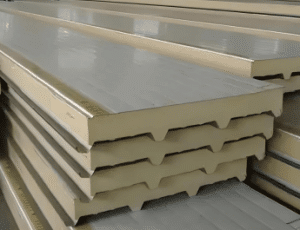
Paints, bolts, metal arms, glues, and washing ways need a combined check. They must work together against the weather. The top cover might use a painted steel base. Mixing bad materials can cause trouble. Trapped water can also create fast rusting spots. KERUI Metal’s industrial building systems use roof and wall systems that can include steel sheets or sandwich panels. Therefore, the chosen top paint and the mounting parts must be checked together. Different teams should not pick them blindly.
The pre-fabrication package should answer four questions
The best solar planning takes place early. It must happen before the top covers, backup beams, and extra parts go to the factory. A well-planned file lets the building crew check weight impacts. They can also review weather guards ahead of time. If not, the site workers might have to guess. They would have to work around parts that are already on the ground. For a plant or storage building, a few key papers clear up the solar plan. They do this without making the roof map a messy instruction book.
- A clear layout map showing roof areas. It must show panel directions, rail spots, and worker walking paths.
- A strong joint list. This list links every mount kind to its proven backup beam.
- A close-up drawing pack. It shows holes, metal strips, glues, overlaps, water paths, and matching bolts.
- A site check guide. This covers bolts, paints, glues, water flow, and panel reach after the build is done.
This review stage is highly important. It is where steel roof decking and backup beams must be clearly sorted out. The final top cover, the backup steel, and the solar frames all do different jobs. Because of this, the maps must show how they touch. This needs to happen before buying locks in the cover shape and beam gaps.
Practical takeaway
Adding solar gear works great with a painted commercial roof. But the project must treat the setup as a fresh set of weight and weather links. It must never be seen as just extra parts thrown on after the roof is done. Check the weight paths and roof areas. Look at beam spots, holes, water flow, and material matches before making the parts. This gives bosses and lead builders a sharp choice point. It stops expensive changes on the work site.
If you require help, please reach out to us.
FAQ
Can solar panels on metal roof sheets mount directly to the top cover?
You should never guess that a top cover gives strong base support. The joint must push forces to a tested purlin, rafter, or rail. It could also use a custom brace. At the same time, it must keep the weather shield safe.
Do rooftop solar panels change wind design?
Yes, they often do. Gear height, slant, and roof area matter. Building shape, wind trends, and mount style also play a part. These details can change the stress and joint needs that the expert tests.
Will solar mounts automatically cause roof leaks?
Not at all. You can stop leaks easily. The picked mount just needs to match the cover shape. It must also have aligned bases, metal strips, glues, water paths, and proper checks. Random holes and blurry job duties cause the biggest dangers.
What should be checked on an existing steel roof first?
Look at the frame details and cover health. Check for rust, old fixes, cover shape, water flow, bolt health, and free weight limits. Missing papers must trigger a real site check. You should never just guess the mounting layout.
Can the solar layout be finalized after roof fabrication begins?
Late shifts can force new holes. They can also move base spots or bring in bad parts. Fixing the weight and weather links early helps a lot. Doing this before the roof parts leave the shop cuts down on these clashes.