
Introduction
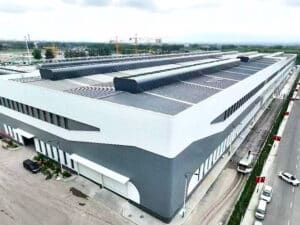
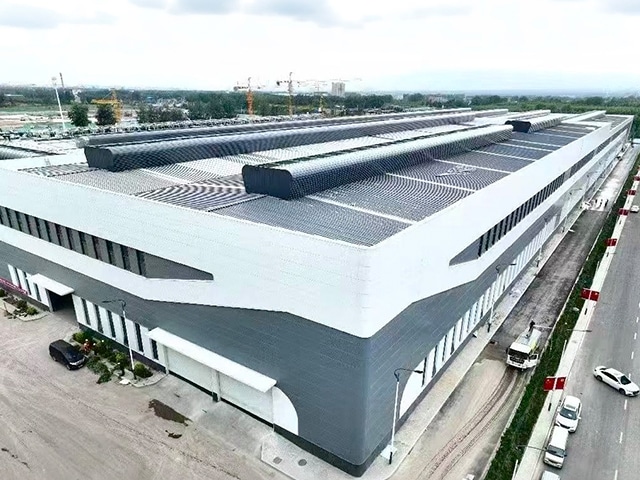
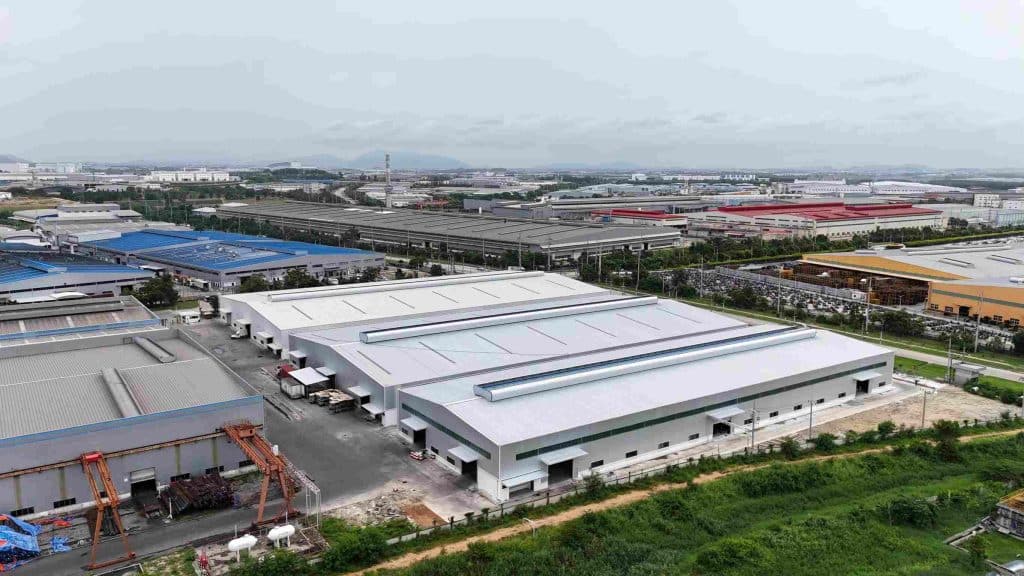
In today’s industrial growth, steel frame warehouse construction stands out as the top choice for logistics centers, factories, and large-scale storage facilities. The explanation is quite clear. It brings fast assembly and easy expansion. It also provides lasting structural strength when you compare it to older concrete setups. Still, the actual success of a steel frame warehouse does not rely solely on main beams or heavy columns. Smaller supporting parts like C shaped steel and Z shaped steel play a huge role. They decide how well the whole framework handles heavy weights, harsh weather, and daily use over many years.
Worldwide needs for quick project completion and budget-friendly designs keep growing. Because of this trend, business leaders now look closely at how steel roof structure layouts are planned. They focus heavily on choosing the right purlins and adding proper insulation. They also care about outer coverings like the color-coated steel sheet.
How Do C and Z Steel Improve Construction Efficiency?
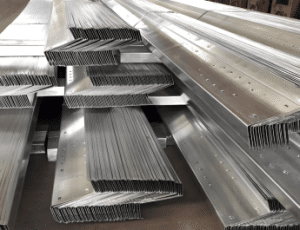
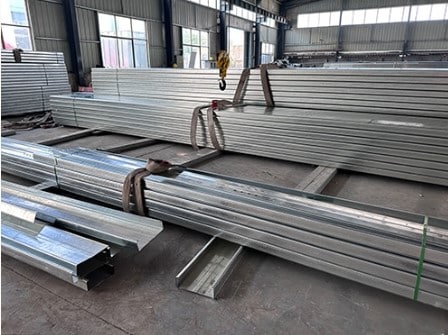
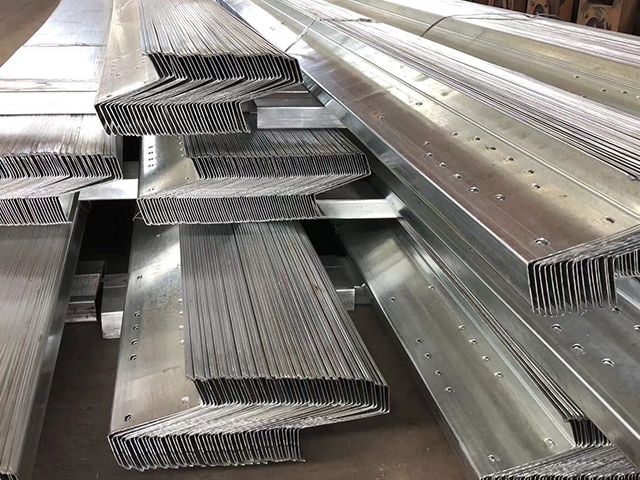
During actual site work, steel frame warehouse construction depends on efficient prefabrication and precise on-site assembly processes. However, this speed must never ruin the exact measurements of the framework. Factories pre-shape C and Z steel purlins using advanced roll-forming machines. This factory process guarantees perfect sizes. It also lowers the need to cut or weld parts at the job site.
The table below shows the typical differences used in industrial projects:
| Item | C–Shaped Steel | Z–Shaped Steel |
| Building Function | Short-distance roof and wall backing | Long-distance continuous roofing network |
| Load Transfer | One-way physical steadiness | Overlapping pressure spread |
| Setup Process | Basic lining up and bolting | Lap joint overlapping assembly |
| Warehouse Use | Small-to-medium steel frame warehouse | Large-span steel frame warehouse construction |
| Time and Cost Effect | Very quick setup pace | Reduced steel consumption for wide spans |
These distinct traits are highly important. Picking the wrong type can cause the framework to bend too much. It might also drive up material expenses for no good reason. In massive logistics centers, making tiny improvements matters a lot. These engineering decisions improve overall structural stability and reduce deformation risk, which indirectly supports a longer service life of the steel structure system.
What Role Does Color Steel Plate Play in Roof Systems?
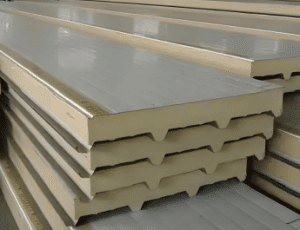
The outer shell of a steel roof structure usually consists of a color steel plate. This material functions as the external envelope of the steel roof system, providing weather protection, corrosion resistance, and compatibility with insulation layers such as rock wool or PU sandwich panels. It directly impacts how well the building holds heat. It also stops rust and lowers future repair bills.
Throughout steel frame warehouse construction, builders frequently pair color steel plate with thick insulation materials. They might use rock wool or PU sandwich panels. This smart pairing greatly boosts heat control inside the facility. Such temperature management is vital for storage centers holding delicate or perishable items.
Workers install these plates directly over C and Z purlins. Together, they create a tough but adaptable roof cover. This system accommodates thermal expansion and contraction when properly designed with correct fastening spacing and insulation layers, reducing stress concentration on roofing components. This teamwork among parts is a major reason why any modern steel frame warehouse lasts longer. It also requires far fewer repairs over the years.
How Does a Steel Structure Manufacturer Control Quality and Lifespan?
A trustworthy steel structure manufacturer holds the key to a successful building project. They control everything from picking the basic metals to applying the last paint layer. Every single step changes how strong and durable the final building will be.
Inside strict factory settings, workers choose metal grades like Q235 and Q355. They base these choices on specific weight needs. Advanced CNC laser cutting tools and automatic welding machines work together. They ensure dimensional consistency and forming accuracy for each C and Z section through controlled roll-forming and CNC processing. Next, the factory applies careful surface treatments. These steps include deep sandblasting and special anti-rust paints. This thorough protection directly stretches the steel structure’s lifespan. It proves incredibly helpful in wet or seaside locations.
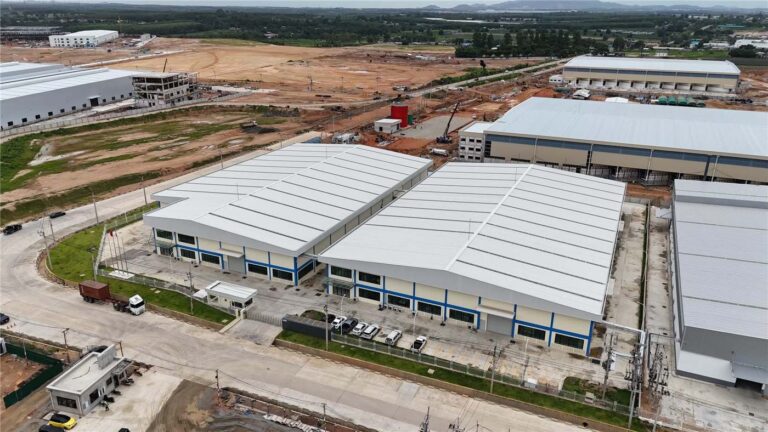
We can look at actual global project deliveries for proof. Buildings shipped to Thailand, the Philippines, Uzbekistan, Mongolia, and Brazil show clear results. These projects demonstrate that standardized fabrication systems can adapt to different regional climates while maintaining consistent structural performance. At the same time, they maintain structural stability during all steel frame building construction tasks.
The factory process behind these metal goods ensures a perfect fit for every piece. This exact matching happens during the final site assembly. It reduces on-site rework and improves installation efficiency by ensuring better component fit-up during assembly. It also greatly speeds up the daily work pace at the building site.
How Does Design Impact Cost and Installation Speed?
Planning choices during steel frame warehouse construction heavily change the total budget. They also affect the final completion date. A smartly planned steel roof structure cuts down on wasted metal. Meanwhile, it keeps strong safety limits against heavy winds and sudden earthquakes.
The distance between C and Z purlins matters greatly. The joint details and the angle of the roof also play big parts. All these factors decide how well the final building works. When builders mix these elements properly with a color-coated steel sheet, the whole setup blocks outside heat. This smart design ultimately saves a lot of energy.
Huge steel frame warehouse jobs require excellent planning. Good design plans often separate a late project from a prompt, successful handover. Quicker setup times also mean you need fewer workers on the site. Paying for manual labor remains a massive expense in worldwide building markets today.
Conclusion
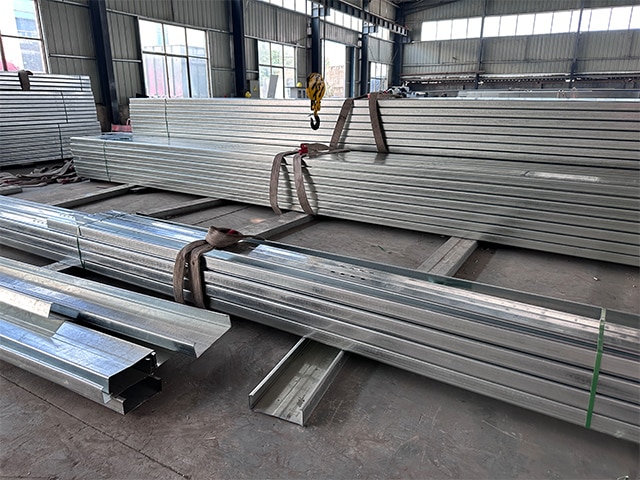
C-shaped steel and Z-shaped steel act as much more than minor background parts in factory designs. They are vital pieces. They truly secure the safety of any modern steel roof structure. Using them the right way boosts overall building strength. It reduces material waste. It also lengthens the steel structure’s lifespan. At the same time, it keeps budgets tight across massive steel-frame warehouse construction jobs.
Building teams and property owners must learn how these metal parts work together. They need to see how they connect with color-coated steel sheet setups. They also must grasp their role in general steel frame building construction. This knowledge remains crucial for protecting their financial investments over many years.
A highly professional framework from KERUI Metal guarantees top quality. It ensures every small detail meets strict global factory rules. This covers everything from picking the right purlins to completing the final site assembly.
FAQ
How does steel frame warehouse construction improve project cost efficiency?
Steel frame warehouse construction lowers the heavy pressure on the ground base. It cuts down the total setup time. It also drops material waste by using factory-made parts. These benefits make it much cheaper than older concrete building methods.
What makes the color-coated steel sheet important in steel roof structure systems?
color-coated steel sheet fights off rust effectively. It works perfectly with thick insulation materials. It also blocks bad weather. These traits secure the lasting steadiness of the steel roof structure in harsh factory settings.
How does the steel structure lifespan change with different purlin systems?
The steel structure lifespan is mainly determined by steel grade selection, anti-corrosion coating systems, environmental exposure, and maintenance cycles. C and Z purlins contribute indirectly by improving load distribution and structural stability, which helps reduce long-term deformation risks.
Why is the selection of a steel structure manufacturer critical in steel frame building construction?
A skilled steel structure manufacturer provides exact metal shaping. They deliver steady welding results. They also follow strict material rules. These actions directly improve site safety and speed up the setup process during steel frame building construction.
Can steel frame warehouse construction support large-span industrial projects?
Yes, builders widely utilize steel frame warehouse construction for wide spaces. These open areas often range from 20 meters to 60 meters or even wider. The final size depends heavily on smart planning and excellent framework design.