
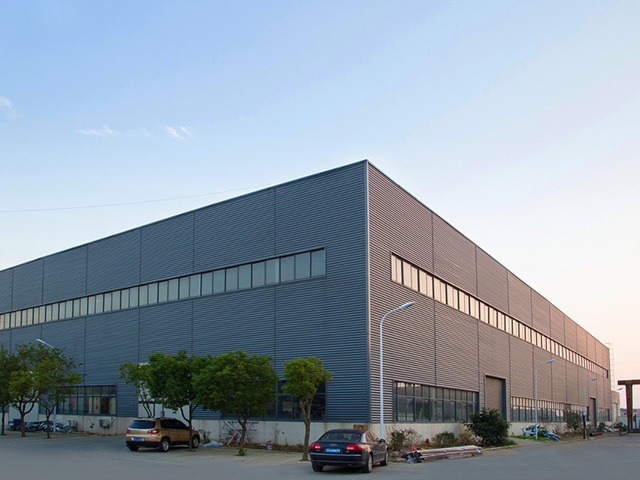
Global manufacturing keeps moving forward at a fast pace. Plants now need buildings that enable rapid project erection, stay within budget, and last for many years. When production lines grow and add more automated machines, traditional reinforced concrete structures often lack the flexibility required for modern industrial expansion. Many large firms now turn to modern steel building construction for better results and a stronger market position. Henan KERUI Metal Manufacturing Co., LTD leads this move. The company acts as a leading global steel structure fabrication company and supplies strong facilities that keep major supply chains running smoothly.
What is a Modern Steel Structural Workshop?
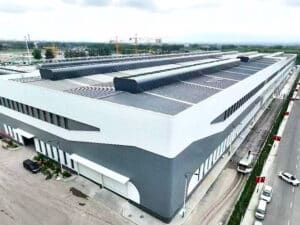
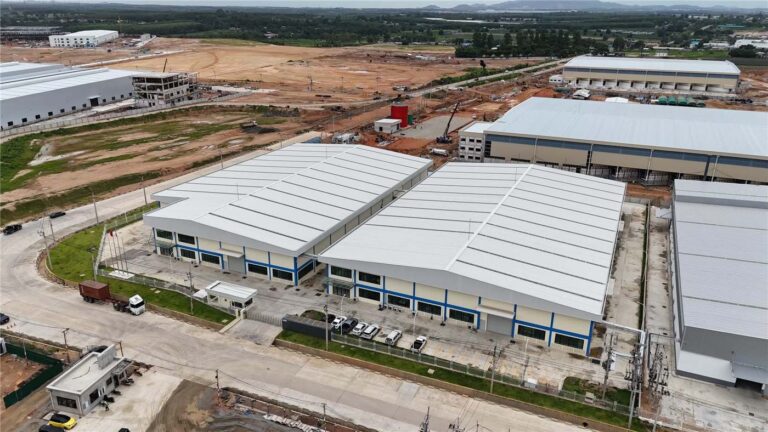
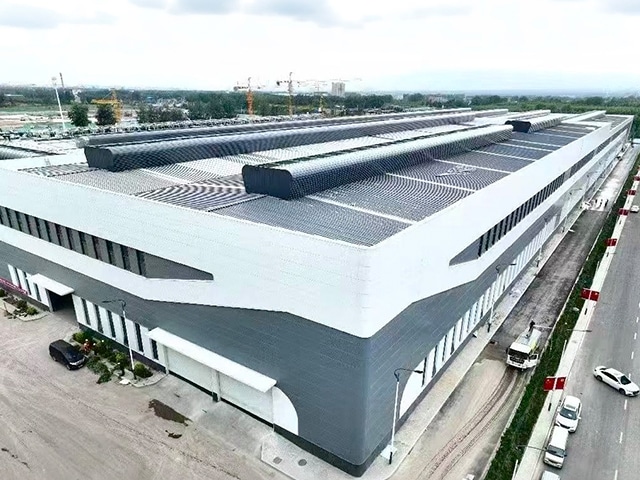
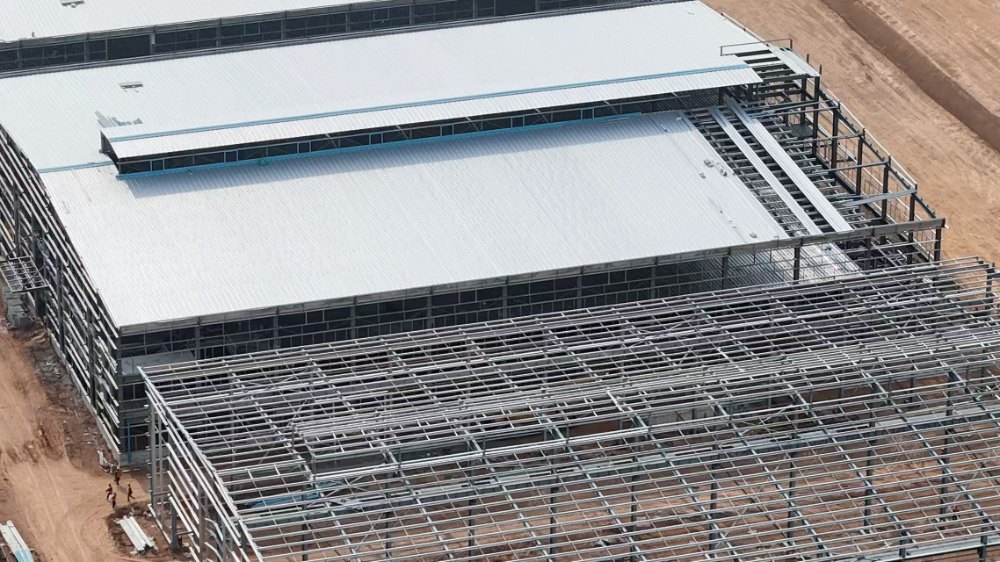
An industrial steel structural workshop gives solid support for manufacturing work, heavy assembly tasks, and logistics centers. It uses a carefully planned steel frame. The structural framework is engineered to support overhead crane systems, long assembly lines, and wide open work areas without extra columns in the middle. Every column, beam, and purlin is sized to give structural stability while using materials in an efficient way.
The full system rests on three main layers that work as one unit:
- The primary structural frame uses heavy welded H-beams and box columns. These parts carry the main vertical loads and side forces.
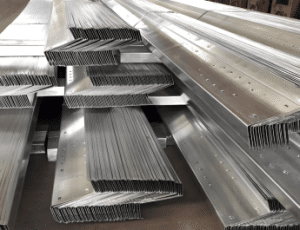
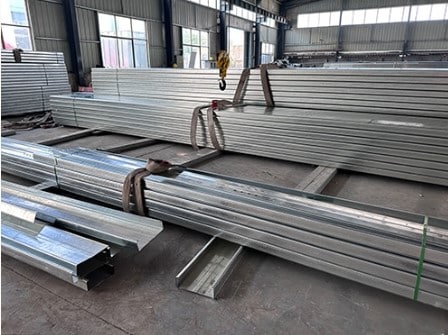
- The secondary framing system uses cold-formed C and Z-section purlins. These pieces keep the main frame stable and hold the outer wall and roof panels in place.
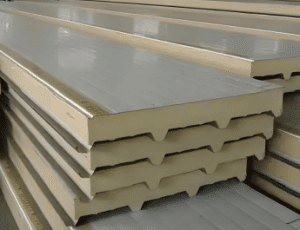
- The roof and wall systems rely on insulated sandwich panels or special steel sheets. They help control indoor temperatures and block the weather.
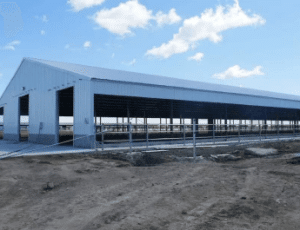
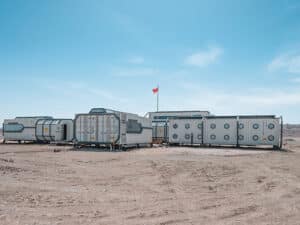
This approach works well in many settings. It can serve as a heavy industrial steel construction factory, a large logistics warehouse, or special support buildings for mining and energy work.
| Technical Parameter | Standard Specification | Industrial Application |
| Primary Structural Steel Grade | Q235 / Q355 Structural Steel | Heavy-duty columns, crane beams, and primary trusses |
| Clear Span Capacity | Customizable clear spans, typically 20m–60m | Column-free manufacturing floors and logistics warehouses |
| Secondary Framing Components | C/Z Section Steel Purlins | Roof and wall cladding reinforcement systems |
| Cladding & Enclosure Options | Color Steel Plates/ Insulated Sandwich Panels | Thermal insulation, fireproofing, and weather protection |
| Engineering Design Standards | Designed according to local wind standards and international seismic requirements | Compliance with regional building safety regulations |
Why is a Steel Construction Factory Better Than Traditional Buildings?
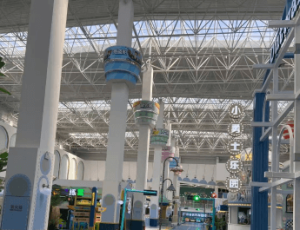
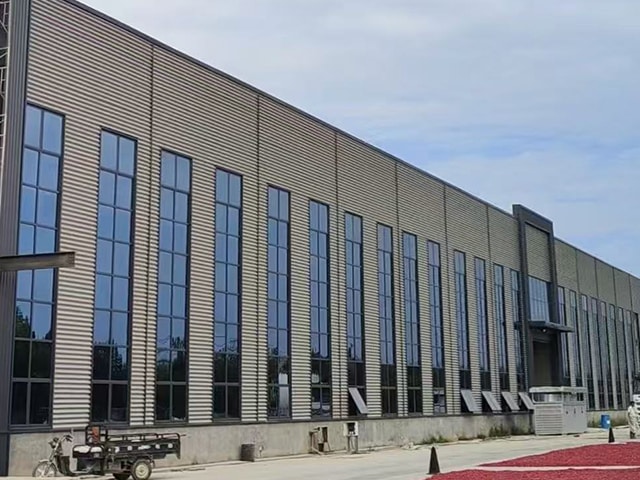
When managers compare a modern steel construction factory with older concrete buildings, the gains in daily use and total cost show up fast. One clear benefit is better use of floor space. The high strength of steel allows clear spans from 20 to 60 meters. This removes the need for support columns inside the work area. Factory teams can then set up production lines, conveyor systems, and forklift routes without any blocks from the structure.
Construction speed is another area where steel stands out. All main parts are prefabricated under controlled factory conditions. This step cuts the time needed for work at the site. Shorter build times let owners start production sooner and reach payback on the investment more quickly.
The lighter weight of steel also lowers the cost of the foundation. Less concrete is needed, yet safety remains high. Pre-engineered steel buildings meet strict rules for wind and earthquake loads. They stay stable even in tough weather conditions.
How Are Commercial Steel Frame Construction Components Manufactured?
High-performance commercial steel frame construction depends on modern machines and tight quality checks. Work happens inside a 70,000-square-meter plant that runs several automated lines. These lines can produce up to 60,000 tons each year. The large output helps keep part sizes exact and delivery dates reliable for big projects.
The production steps follow a clear order to meet all strength rules:
- CNC laser cutters shape raw steel plates into the exact forms shown on the drawings.
- Automated welding lines join the plates into strong H-beams and box columns. The welding process ensures deep penetration and high structural integrity.
- Skilled staff check and adjust each part so it stays straight and matches the needed sizes.
- Sandblasting cleans the surface. A special coating is then added to guard against rust and environmental degradation.
Each step follows global quality rules. The plant holds ISO 9001 for quality, ISO 14001 for the environment, and ISO 45001 for worker safety.
How Can You Customize Your Industrial Steel Building Project?
Every factory has its own needs, so custom design matters. Steel construction suppliers do more than offer standard buildings. They study each site and job. Engineers then choose the right steel sizes and panel thickness based on local wind, climate, and crane loads.
This flexible service lets firms order special buildings such as chemical plants, wide multi-span warehouses, or support towers for mines. Good upkeep helps these buildings last longer. Teams should check bolts often, refresh the anti-rust coating when needed, and watch roof seals to stop leaks.
- Regular checks on fasteners and quick replacement of worn connectors keep joints strong.
- Fresh coats of anti-corrosion paint protect steel from moisture and plant chemicals.
- Careful inspection of roof panels and seals stops water entry and keeps indoor conditions steady.
Why Partner with KERUI Metal for Your Next Project?
The choice of partner affects how well a project runs over time. KERUI Metal has finished many steel buildings and warehouses in places such as Thailand, the Philippines, Mongolia, Uzbekistan, and Brazil. This record helps the team match local building codes and weather conditions.
The company keeps a sales office in Thailand. The local support team provides timely technical coordination and on-site project assistance. From first drawings through factory work and shipping, KERUI Metal handles every stage. An integrated project management approach helps minimize coordination delays and improve overall cost efficiency.
Conclusion
A modern commercial steel frame construction brings the flexibility, fast build time, and strength that today’s factories need. Whether the goal is a large steel construction factory or a well-planned warehouse, these buildings give lasting value and room to grow. Ready to start your next project? Contact KERUI Metal for a custom quote and talk with the engineering team.
FAQ
What factors influence the total cost of a steel structural workshop?
The final price of an industrial steel structural workshop depends on span length, clear height, and how complex the layout is. Local wind or snow loads also play a part. Using stronger steel such as Q355 or adding thick insulated panels, raises material cost. Early talks with steel constructions suppliers help cut steel use while keeping the building safe and useful.
How long does it take a steel structure fabrication company to deliver a factory building?
A steel structure fabrication company usually finishes the main parts for a standard steel construction factory in 30 to 45 days. The exact time depends on size and design details. Because H-beams, box columns, and purlins are fabricated simultaneously on automated lines, the factory work finishes faster than pouring concrete on site. Shipping by sea and final assembly on the ground add more time to the full schedule.
Can a steel construction factory safely support heavy-duty overhead crane systems?
Yes. Modern steel building construction works well for plants that run overhead cranes. Engineers study the moving loads and fatigue during the design stage. They then add extra strength to the H-beams and box columns. This engineering approach enables the structure to withstand continuous heavy-duty crane operations without lasting damage to the frame.
How do steel construction suppliers protect industrial warehouses from rust and corrosion?
Steel construction suppliers clean every part with sandblasting first. They remove scale and rust, then add a strong primer right away. In damp areas or chemical plants, extra coatings or galvanized purlins give longer protection. These steps lower repair costs and keep the building in good shape for many years.
What on-site preparation is required before installing a KERUI Metal industrial building?
The site team must finish the foundation, footings, and anchor bolts before parts arrive. Because steel weighs less than concrete, the foundation can be smaller in many cases. Once the concrete sets and bolts are in place, workers can bolt the frame together quickly and keep the job clean and on schedule.